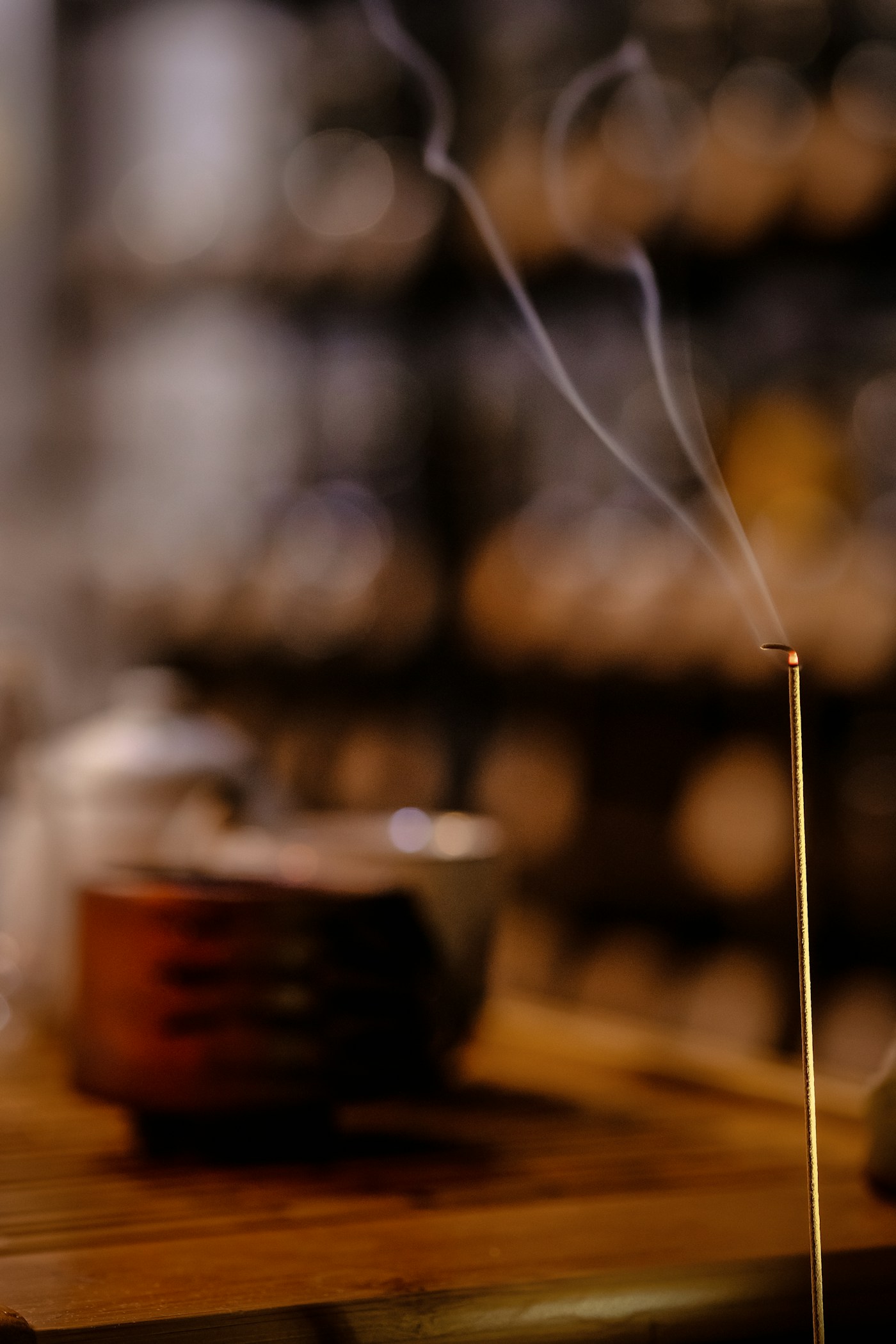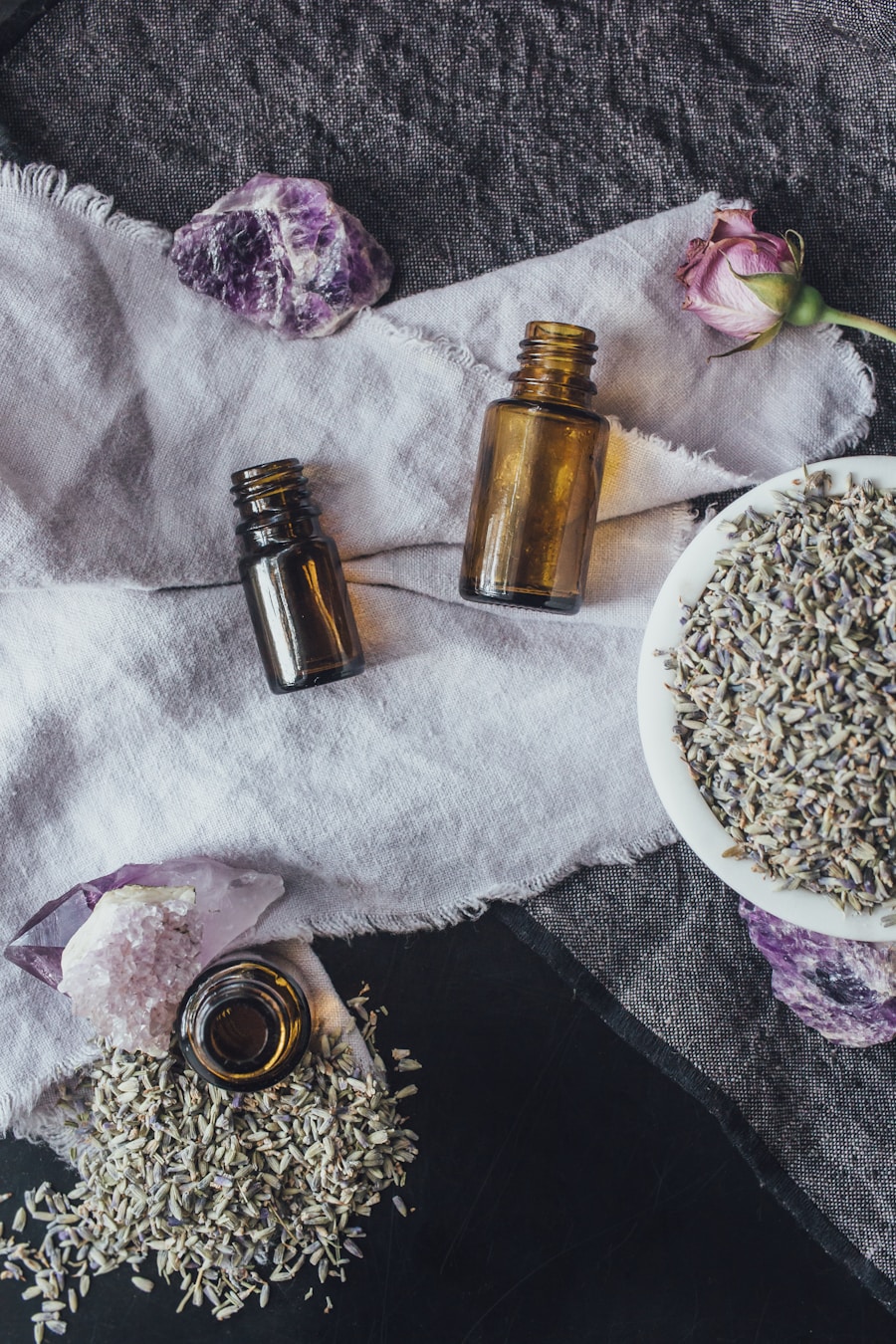
A fragrance pyramid is a time map, not a promise of how the bottle will smell on you. Top notes are the first few minutes, heart notes carry the middle, and base notes are what remain after the alcohol lifts. Read the base before you fall for the opening, then smell the scent on skin for at least thirty minutes.
The three layers are a clock
Top notes are the volatile part of the formula. Citrus peels, light herbs, aldehydes, and bright spices are built to arrive fast and leave. They are what a strip smells like while you are still standing at the counter. Heart notes are the part you live with through the first hour: florals, spices that have settled, green leaves, soft fruit, a tea note, a quiet leather. Base notes are heavier materials such as woods, resins, musks, vanilla, patchouli, and amber. They do not shout in the first minute. They are the reason a perfume is still present at the end of the afternoon.
A pyramid printed on a box is an edited story. Brands lead with the note they want you to remember. A citrus line at the top can sit over a very sweet base, and you will not meet that sweetness until the opening has gone. The useful habit is to treat the pyramid as a schedule. Ask what shows up now, what shows up next, and what is supposed to stay.
Read from the bottom
Start at the base. If the only materials you see there are sugar, thick vanilla, and heavy fruit, the dry-down will likely stay sweet even when the label says fresh. If the base is cedar, musk, vetiver, or a dry resin, the scent has somewhere quieter to land. Then look at the heart, because that is the stretch you actually wear to a meeting, a walk, or a desk. Treat the top as the handshake. It matters, and it is the least of the three if you plan to keep the bottle.
Identical note names are not identical smells. Bergamot can be bitter and tea-like, or juicy and candied, depending on what surrounds it. Musk can mean a clean skin effect or a powdery cloud. Sandalwood on one brand is creamy; on another it is dry and pencil-like. The pyramid gives you the cast. It does not play the scene. When a word is doing too much work, look at its neighbors. A rose beside pepper behaves differently from a rose beside vanilla.
Skip the temptation to collect note names as if they were a score. Five familiar words do not make a perfume better than three precise ones. A short pyramid you can explain is more useful than a long one you cannot picture. If you cannot say which layer is doing the work, you do not know the perfume yet. That is a reason to smell it longer, not a reason to buy it faster.
Test past the charming minute
At a counter, or with a blotter at home, the first smell is mostly top notes plus alcohol. Smell the cap or a blotter. Do not hold a soaked strip against your nose. Wait ten minutes before you decide the opening is yours. If you can, put one small spray on a forearm and leave the shop, or leave the room. At thirty minutes, ask a plainer question: do you still want this in the air with you? That is the dry-down starting to show. A perfume that is lovely for three minutes and tiring at thirty will be tiring on a workday.
Do not rub the wrist. Rubbing warms the skin and knocks the top off before you have learned it. Do not test four perfumes on two wrists and then try to remember which one felt calm. Two is enough. One is enough if the first already feels wrong. Write down the time, the place, and one plain sentence. "Still green, a little sharp" is more useful later than "nice."
Paper, glass, and a cold store all change the first impression. Skin, weather, and the next hour tell you whether the map was honest. If the pyramid and the wearing disagree, trust the wearing. The bottle can visit your shelf only after the thirty-minute smell still feels welcome.
Use the pyramid as a question
You do not need to memorize every material. You need three sentences you can say out loud: what the opening is doing, what the heart is for, and what the base will leave behind. That is enough to shop without handing the decision to the adjective on the box. It is also enough to notice when a "fresh" perfume is actually a sweet perfume with a citrus hat.
Sonscent's encyclopedia is built for that kind of reading, note by note, without turning the page into a catalog of bottles to buy. When you know the shape you want — a dry wood under a short citrus, a floral that settles to musk, a resin that stays close — you can describe the shape instead of a perfume name you saw in a video. If the afternoon version of a scent keeps disappearing on you, the next guide is why a perfume seems gone by afternoon. The pyramid tells you where to look. The wearing tells you whether to keep it.
Questions people ask
Is a fragrance pyramid the same as an ingredient list?
No. A pyramid describes how the scent is meant to unfold. An ingredient list, when a brand prints one, names materials. A marketing note can group several materials under one familiar word.
Why does the opening disappear so quickly?
Top notes are lighter molecules, so they evaporate first. That is the design. It is only a problem when nothing you enjoy is left underneath.
Can two perfumes with the same notes smell the same?
Rarely. Dose, quality, and the materials beside a note change the result. Use the pyramid to choose a direction, then smell the dry-down before you buy.