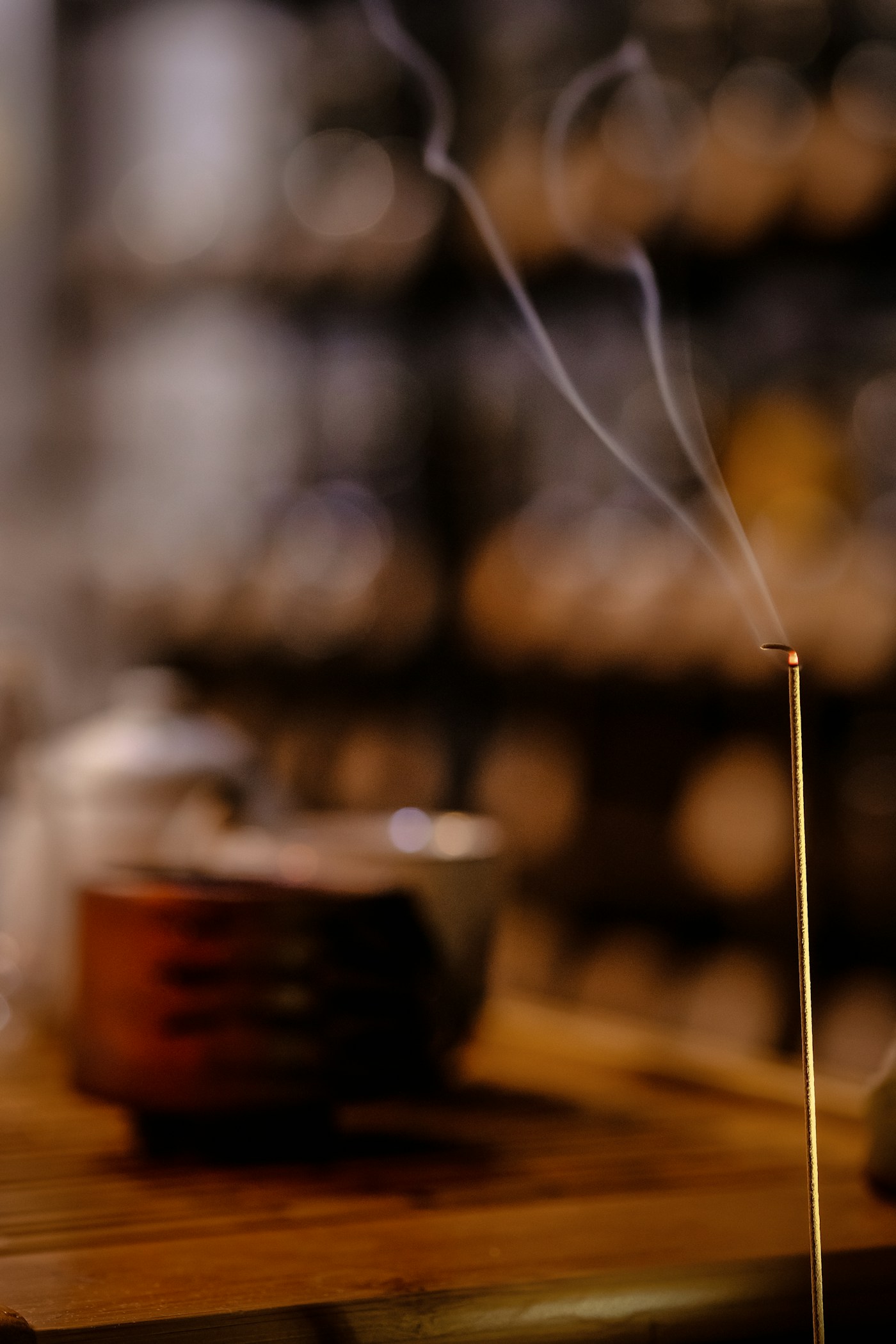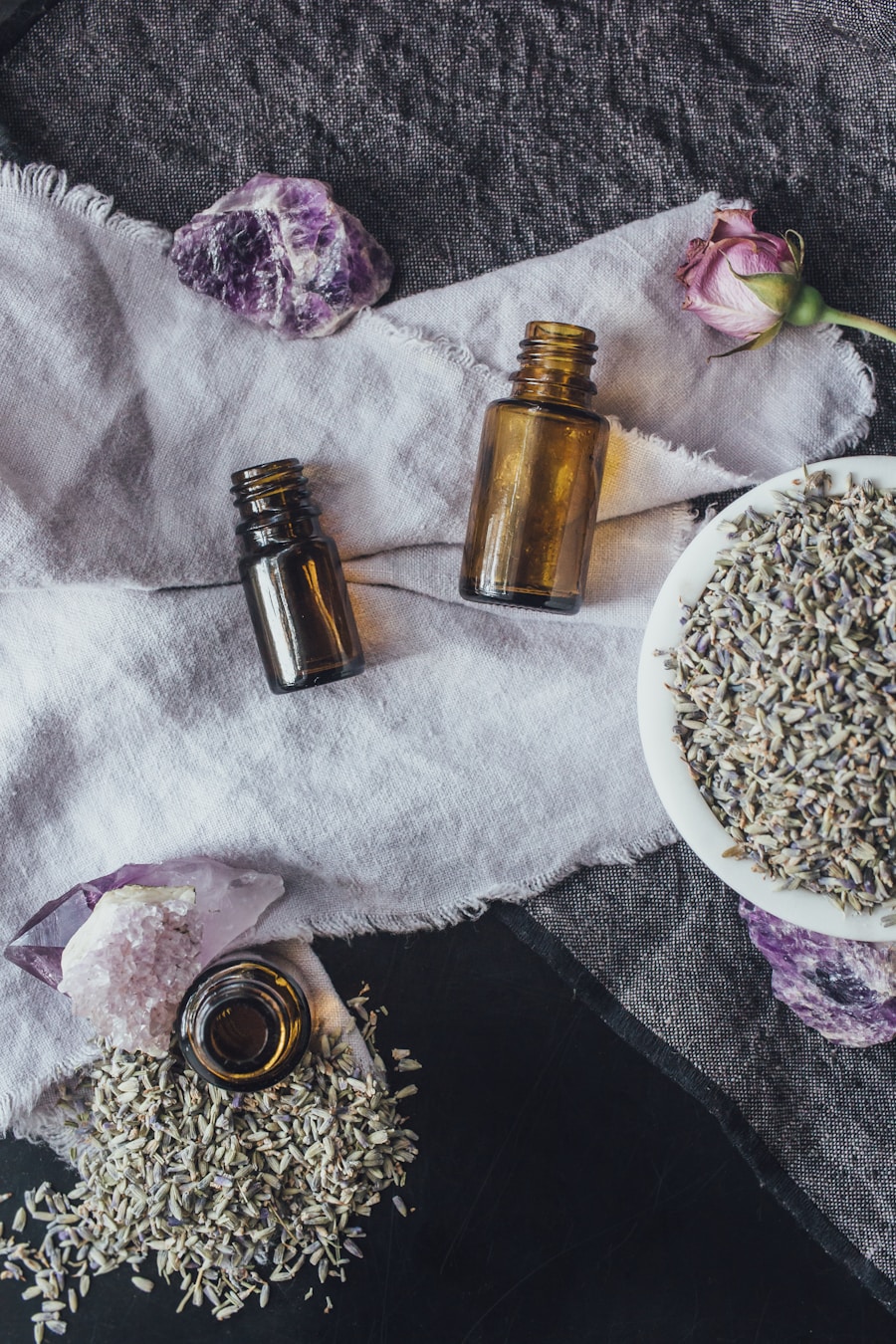
Scent changes mood because smell does not wait for a long explanation. A breath of lavender, citrus, wood, or smoke can make a room feel safer, brighter, or more awake before you have named the feeling.
What “scent and mood” actually means
A fragrance is not a switch that forces an emotion. It is a cue. The brain ties odor to memory, so cedar may feel like a quiet evening, and bergamot may feel like the start of work. The useful question is not “which note is best for everyone,” but “which cue helps this hour.”
Three moods, three directions
For stress, start with soft florals, lavender, or lightly sweet woods. They ask less of the room. For focus, use a small amount of citrus, herbs, or clean resin, then stop. More scent is not more attention. For low energy, warm spice or a bright peel can lift a dull afternoon, as long as the room can still breathe.
How to test a scent before you commit
Open a window. Smell the blotter or the bottle cap, not a soaked cloth. Wait ten minutes. Notice whether your shoulders drop, your mind wanders, or you want the window wider. Keep the one that still feels welcome after the first novelty fades.
A small practice
Pick one scent for waking up and one for closing the day. Use them in the same place for a week. The repetition is what teaches your mood the cue. Sonscent’s healing ritual and AI pairing are built for that kind of short, repeatable choice.
Questions people ask
Can a scent really change how I feel?
It can shift the tone of a moment. Smell connects quickly to memory and emotion, so a familiar or well-chosen scent often makes stress feel smaller and a room feel more intentional. It is a ritual aid, not a medical treatment.
Why does the same perfume feel different on different days?
Sleep, hunger, weather, and what you already smell in the room all change the impression. Test a scent when you are reasonably rested, and again in the setting where you will actually use it.
How long should I try a new scent?
Give it ten quiet minutes. If the first impression is sharp, wait. The opening fades, and the part you live with is the dry-down.