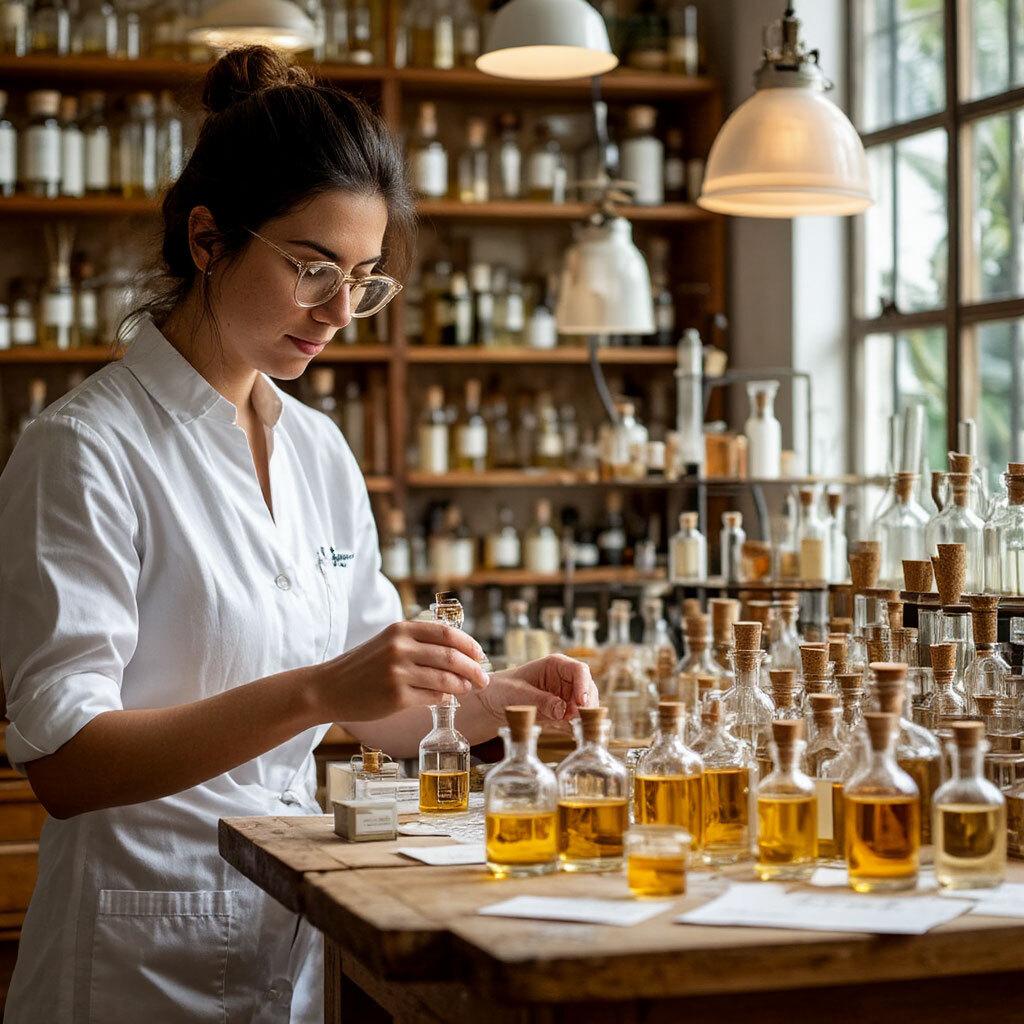
Why Is Perfume So Expensive? The Truth Behind the 5% Liquid Cost
A bottle of perfume may contain only a few dozen milliliters, yet it can sell for hundreds or even thousands of dollars. Have you ever wondered how much of that price actually goes toward the fragrance liquid itself?
An intriguing claim suggests that the liquid inside a perfume bottle might account for just 5% of its retail price. While this may sound surprising, the price of perfume is never determined solely by the liquid within. From precious raw materials to exquisite packaging, and from fragrance development to brand marketing, every stage influences the final cost. So, what exactly makes a bottle of perfume so expensive?
Precious Ingredients: The Raw Material Costs Behind the Scent
The soul of any perfume lies in its ingredients, yet prices among different raw materials can vary dramatically. Citrus notes can be extracted relatively easily from fruit peels, whereas ingredients like orris root, rose, jasmine, and agarwood often involve lengthy cultivation cycles, complex extraction processes, or limited natural yields.
For instance, natural orris root requires extended aging to develop its signature delicate powdery character. Producing rose essential oil demands vast quantities of blossoms to yield just a small amount of oil. The scarcity of raw materials, harvesting challenges, and extraction methods all directly impact costs.
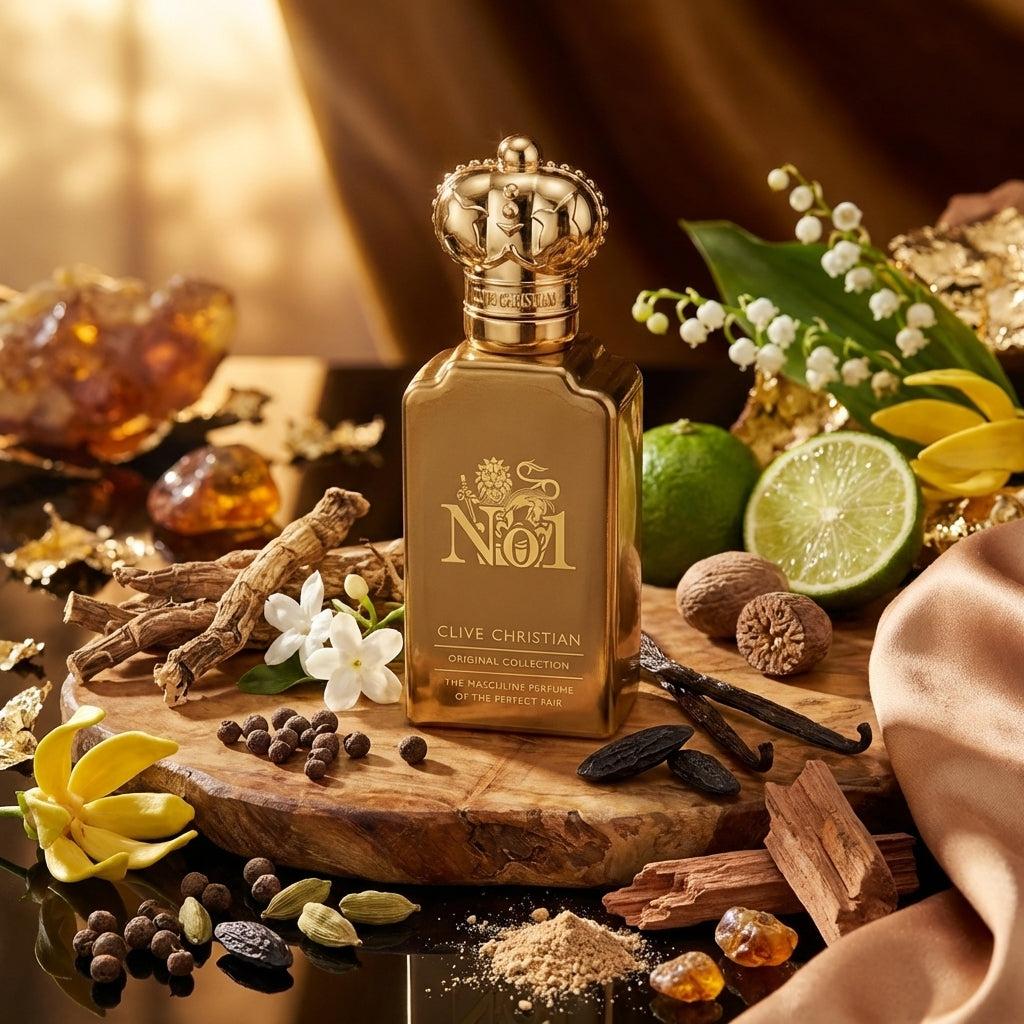
Beyond natural ingredients, modern perfumes also incorporate numerous synthetic aromatics. This doesn't imply inferior quality; certain synthetic compounds can recreate scents difficult to obtain directly from nature while offering greater stability and control in formulations. Therefore, a perfume's ingredient cost depends on which materials are selected, their quantities, sources, and processing methods.
Fragrance Development: Creating a Scent Is Never Just Random Mixing
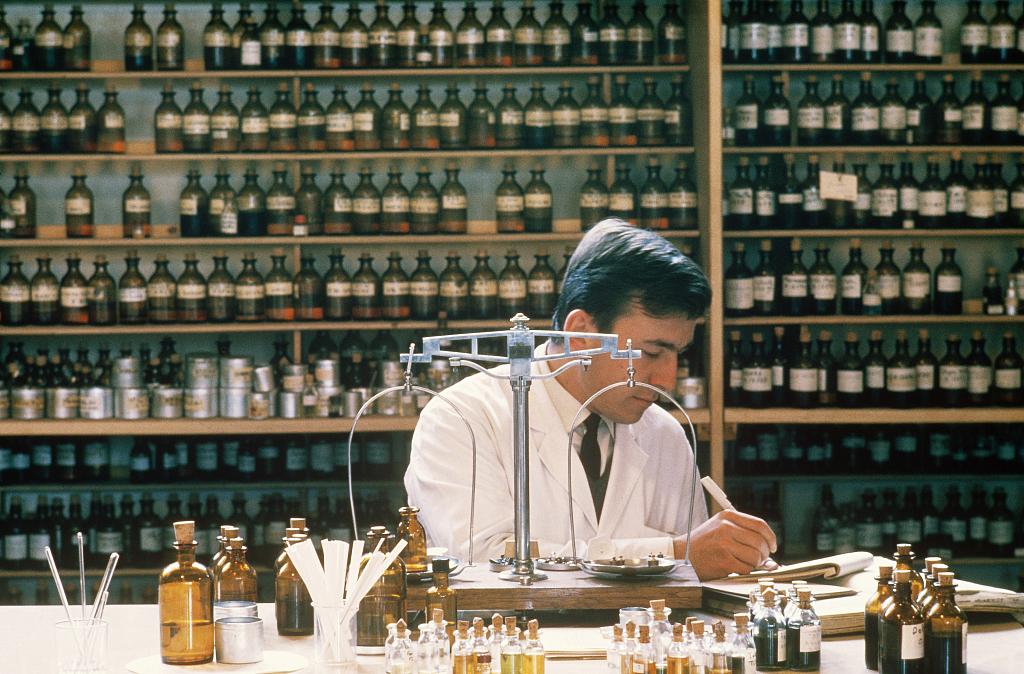
You might experience a perfume's scent within seconds, but its creation process could span months or even years. Perfumers must carefully consider how different ingredients interact: How do fruity notes blend with floral accords? How do woody elements sustain the initial freshness? How can the fragrance evolve over time rather than remaining static from start to finish? All these aspects require repeated conceptualization, adjustment, and evaluation.
Some fragrances undergo multiple rounds of formula revisions, stability testing, and safety assessments. Especially for compositions with unique olfactory structures, R&D investment extends far beyond the price of raw materials—it encompasses the perfumer's expertise, creative time, and technical proficiency. What appears as a simple bottle of perfume may actually embody countless unseen trials and refinements.
Bottle and Packaging: The First Impression Also Carries a Cost
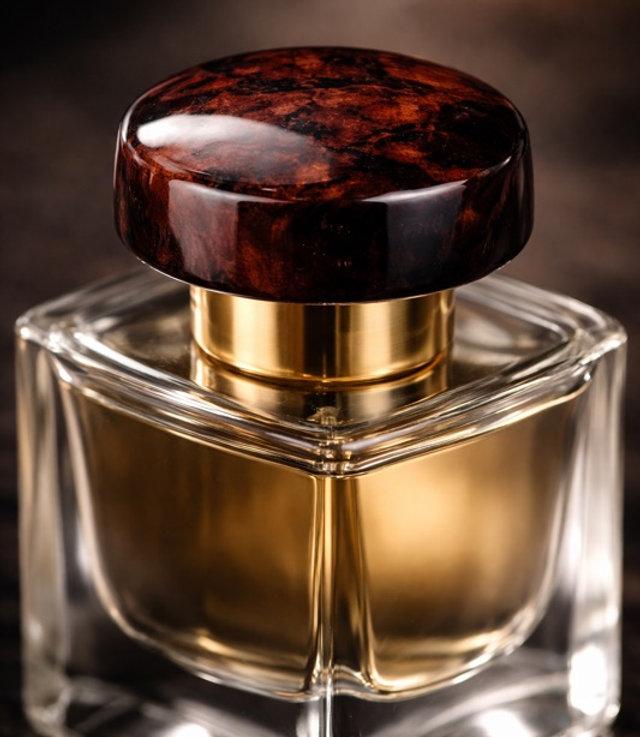
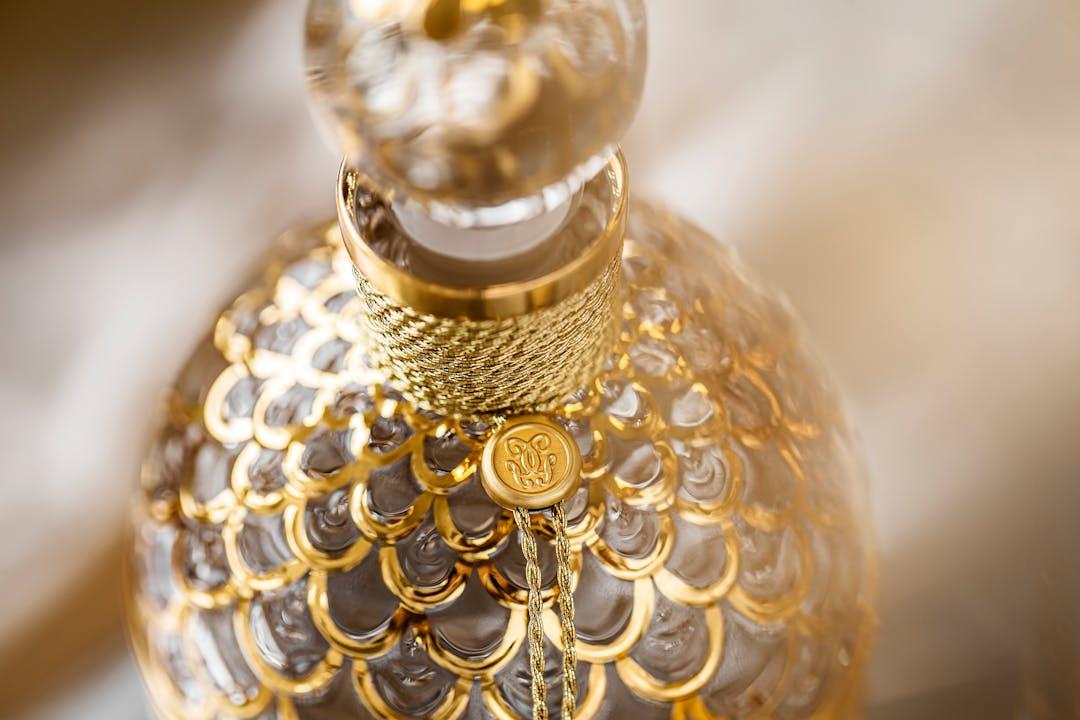
Perfume is a product that relies heavily on visual experience. Before we ever catch a whiff of the scent, what we see first is often the bottle. Clear glass, frosted textures, metal caps, unique shapes, and even every ridge on the vessel can become part of a brand's design identity.
Some high-end fragrances utilize custom glass molds, special materials, and intricate embellishments. Caps, sprayers, and outer packaging also require separate design and production. Especially for limited-run specialty bottles, the costs of molds and manufacturing cannot be amortized as effectively as with standard mass-produced bottles. So, sometimes what you're buying is not just a bottle of perfume, but a designed object in its own right.
Brand Marketing and Sales Channels: How Perfume Reaches You

Why might two perfumes with similar scents carry vastly different price tags? Brand influence and sales channels are key factors. Major fragrance houses often invest heavily in advertising, including celebrity endorsements, high-fashion campaigns, brand events, and in-store counter displays. These investments aim to imprint the brand's image in consumers' minds and shape a unique perception of their products.
Furthermore, the journey from factory to consumer may involve importers, distributors, and retailers. Transportation, warehousing, store rents, and sales services all add to the cost of the entire commercial chain. Therefore, the final retail price is not simply equivalent to the manufacturing cost of the perfume itself.
Does a 5% Liquid Cost Mean Perfume Isn't Worth the Price?

Actually, such a simple conclusion doesn't hold water. First, the so-called "5%" is not a fixed industry standard applicable to all perfumes. A brand's positioning, ingredient selection, production scale, and sales model all influence its cost structure. Some luxury fragrances use expensive natural ingredients, which can significantly raise the cost of the juice itself.
Secondly, cost and value are not the same thing. The value of a perfume extends beyond raw materials and production inputs; it may also stem from unique olfactory creation, design philosophy, brand culture, and the emotional experience it offers the consumer. Of course, a high price doesn't guarantee a better scent. Expensive natural aromatics don't necessarily appeal to everyone, while affordably priced perfumes can boast exceptional scent designs.
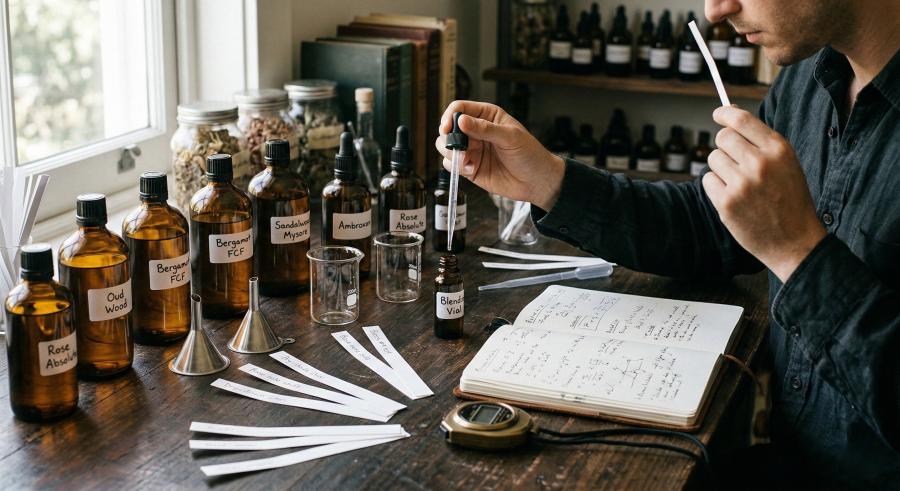
The true allure of perfume has never been about its price tag. From a single plant or spice, to the olfactory vision in a perfumer's mind, and finally to the masterpiece captured in a bottle—every fragrance has its own origin story. Rather than simply memorizing a perfume's cost, it's far more fascinating to understand why it's priced that way and why it resonates with you. Next time you encounter a high-priced fragrance, ask yourself: what are you really paying for—the ingredients, the design, or those few precious moments it gives you?
Questions people ask
Is it true that the liquid cost accounts for only 5% of the retail price?
The 5% figure is not a universal industry standard. The proportion of liquid cost varies significantly depending on the ingredients used, concentration, packaging complexity, production scale, and distribution channels.
Why are some perfumes so much more expensive than others?
Beyond the cost of raw materials, high prices often reflect investments in fragrance R&D, unique packaging design, extensive brand marketing, exclusive distribution networks, and limited production runs.
Does a higher price always mean better quality?
Not necessarily. While price reflects various costs and brand positioning, it doesn't guarantee superior scent quality. A great fragrance depends on creative composition, ingredient harmony, and personal preference, not just the price tag.

