What is perfume sickness? Why do some fragrances make you feel dizzy after smelling them for a while?
Have you ever experienced this: when you first smell a fragrance, it feels fresh and captivating, but after a while, you start feeling dizzy, stuffy, or even repulsed? The perfume itself hasn't changed, so why has your perception shifted so dramatically? This is what many fragrance enthusiasts call "perfume sickness."
Interestingly, perfume sickness doesn't necessarily mean the fragrance itself is poor quality, nor does it imply that everyone will react the same way to a particular scent. It involves olfactory adaptation, scent stimulation, and individual differences in perception. Understanding perfume sickness is, in essence, understanding how our noses work.
What Is Perfume Sickness?
"Perfume sickness" isn't a strict medical term but rather a colloquial description of the discomfort some people experience when exposed to certain scents. Common symptoms include dizziness, headaches, nausea, nasal irritation, or simply finding the fragrance too intense and unbearable.
It's important to note that perfume sickness and olfactory fatigue are not the same thing. The former describes a subjective feeling of discomfort, while the latter is a normal adaptive response of the human olfactory system. Although they can occur simultaneously, they shouldn't be equated. Someone might perceive a scent fading over time without feeling dizzy; conversely, another person might feel immediate discomfort from a strong scent, regardless of how long they've been exposed to it.
Olfactory Fatigue: Why Do Scents Fade Over Time?
Have you noticed that when you first enter a room filled with fragrance, the scent is immediately noticeable, but after staying there for a while, you barely detect it anymore? This is olfactory adaptation, often referred to as olfactory fatigue.
When your nose is continuously exposed to the same scent, your olfactory system gradually reduces its sensitivity to it. Simply put, your brain and olfactory system become accustomed to familiar scents and no longer perceive them as intensely as they did initially. This is why some people who wear perfume stop noticing their own scent after a while, while others around them can still clearly detect it.
However, olfactory fatigue typically manifests as a diminished perception of scent and doesn't necessarily cause dizziness or nausea. It's merely an important piece of the puzzle in understanding how our perception of fragrance changes. Just because you can't smell something anymore doesn't mean the scent has disappeared or that it's causing discomfort.
Why Do Some Scents Feel Overwhelming?
Different fragrances evoke different sensations. Some are light and airy, like citrus and green notes, while others are rich and heavy, featuring pronounced sweetness, smokiness, or spiciness. When scent concentration in the air is high, or when certain aroma compounds strongly stimulate specific individuals, discomfort can arise.
For instance, intense floral notes, cloying vanilla, heavy woody accords, and distinct smoky elements may be difficult for some people to tolerate. However, this doesn't mean these fragrance families inherently cause perfume sickness. Actual reactions depend on the specific blend of ingredients, scent concentration, and individual sensitivity. Even within the same floral category, a light white floral and a dense white floral can create vastly different levels of perceived intensity.
Why Does the Same Fragrance Appeal to Some But Make Others Sick?
Scent perception varies greatly from person to person. Everyone has unique levels of olfactory sensitivity, life experiences, and scent memories. A particular fragrance might evoke warm childhood memories for one person while reminding another of crowded spaces or unpleasant encounters.
Additionally, some individuals are more sensitive to scent stimulation. The American Lung Association notes that fragrances can trigger headaches, dizziness, nausea, or respiratory irritation in certain people, with varying degrees of severity. Therefore, there's no universal reaction to any given fragrance. What you find gentle and comforting might be precisely what someone else finds unbearable.
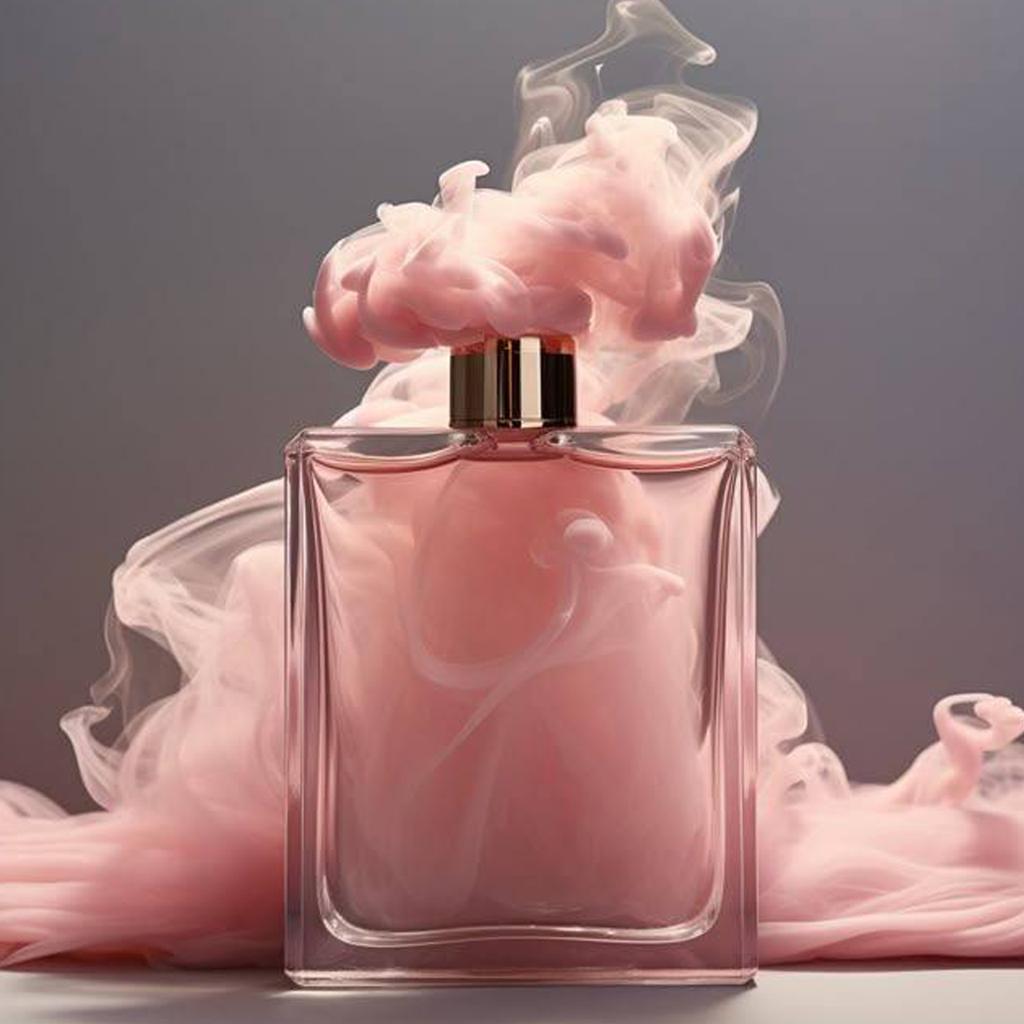
This also explains why a fragrance that smells wonderful on someone else might feel stifling on you. Beyond skin type and body temperature, factors like olfactory sensitivity, your surroundings, and your physical state all influence how you perceive the same scent.
Does being overwhelmed by a fragrance mean you dislike it?
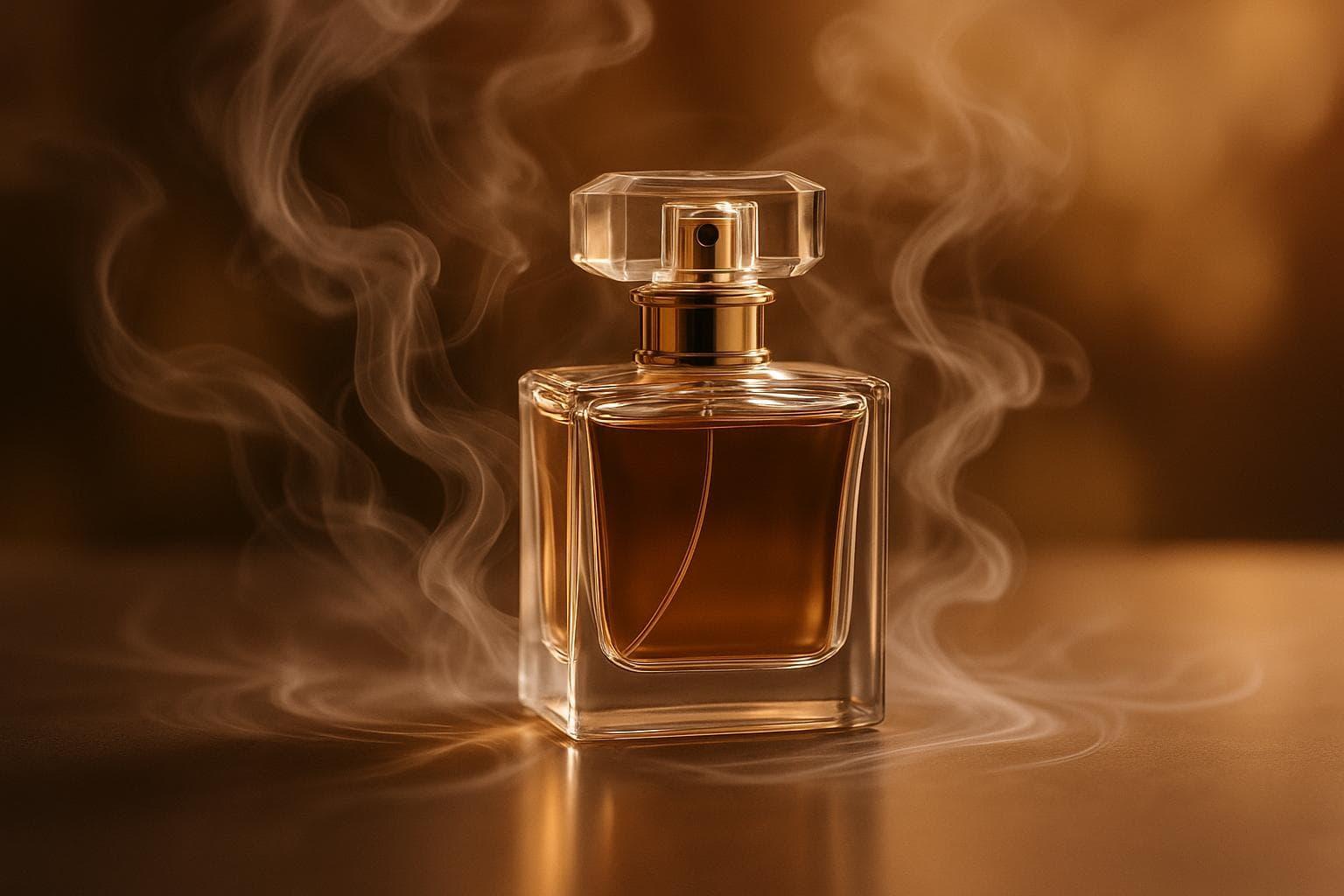
Not necessarily. Loving a scent and having your body comfortably tolerate it are two different things. Some people adore rich white florals yet feel uneasy around certain notes within them; others appreciate complex smoky or leathery accords but dislike the intensity when those scents linger.
Therefore, a perfume's allure cannot be judged simply as "pleasant" or "unpleasant." The interplay of ingredients, the evolution of strength, and each person's unique olfactory experience make the world of fragrance endlessly rich. If a scent overwhelms you, there's no need to dismiss it outright or force yourself to adapt. Try a different concentration, apply it elsewhere, or revisit it after some time—your experience may change entirely.
The next time you encounter a memorable fragrance, take a moment to reflect: What exactly do you love about it? Is it the fresh citrus, the soft florals, or the warm woody notes? And what causes discomfort—is it the scent itself, or the way it unfolds?
Questions people ask
Is perfume dizziness the same as olfactory fatigue?
No. Olfactory fatigue is a temporary decrease in scent sensitivity after prolonged exposure to the same aroma. Perfume dizziness, however, is a colloquial term describing the uncomfortable physical sensations experienced after smelling a fragrance. While they can be related, they are not the same phenomenon.
Why do some people love a specific perfume while others feel dizzy from it?
Everyone has different levels of olfactory sensitivity, unique scent memories, and varied reactions to aromatic stimuli. Consequently, the same fragrance can evoke completely different experiences for different individuals.
Do intense perfumes always cause more dizziness?
Not necessarily. While scent concentration can influence discomfort, the specific reaction also depends on the blend of ingredients and an individual's sensitivity. Therefore, you cannot judge the likelihood of dizziness based solely on a perfume's intensity.

