Have you ever considered that the trees in the forest, the flowers in the garden, or even the plant roots hidden beneath the soil could serve as the inspiration for a bottle of perfume?
The world of fragrance is far richer than one might imagine. Some scents are fresh and bright, others gentle and lush, while some carry the grounded notes of earth and wood. From the woody aromas of the forest to the floral bouquets of the courtyard, seven plants frequently appear on perfume ingredient lists.
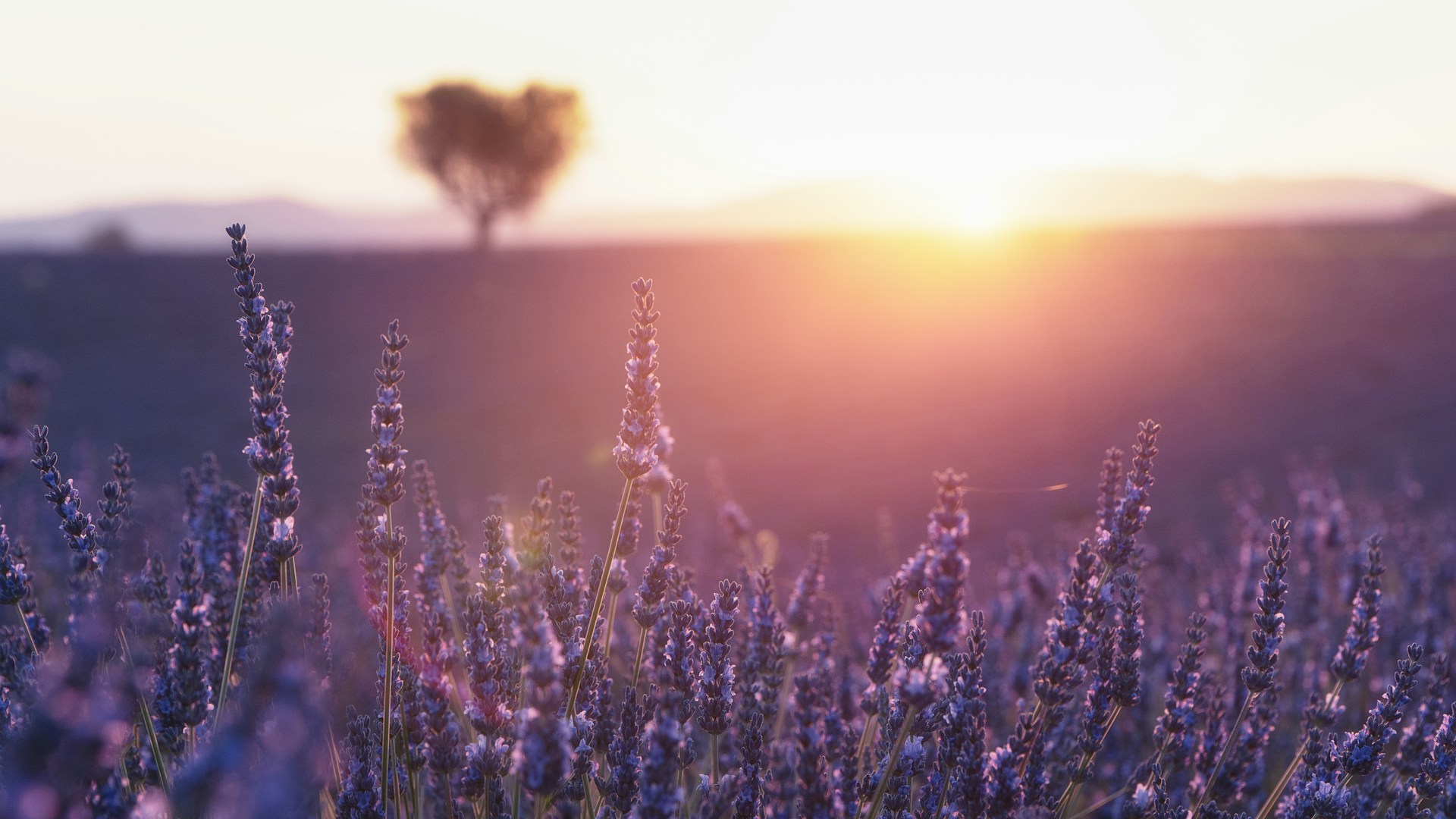
Lavender: A fresh herbal floral. Lavender boasts a distinct herbaceous character, blending freshness with a soft floral touch that evokes images of purple fields swaying in the sunlight.
Osmanthus: A sweet autumnal floral. Osmanthus offers a delicate aroma, combining sweet floral and fruity notes, like a whisper of fragrance left behind by the autumn breeze as it passes through the courtyard.
Jasmine: A lush white floral. Jasmine possesses a soft yet intense fragrance, balancing fresh petal notes with a warm, full-bodied depth, making it a classic staple in perfumery.
Vetiver: The scent of the earth. Extracted from plant roots, vetiver carries grassy, earthy, and dry woody notes—like stepping into a forest after rain and breathing in the aroma of damp soil.
Patchouli: A deep, botanical essence. Patchouli offers a unique blend of earthiness, woodiness, and herbal notes, adding depth and richness to any fragrance.
Bergamot: A bright citrus sparkle. Bergamot delivers a fresh, uplifting citrus aroma that is light and radiant, often serving as a delightful opening note in perfumery.
Rose: A classic yet versatile floral. Rose can be sweet and soft, or reveal fresh, green, and subtly spicy facets, unlocking endless possibilities for floral compositions.
From the woody whispers of the forest to the lush florals of the garden, every plant holds its own olfactory story. And when these scents meet, what new fragrances will they create?
This is precisely what makes the fragrant world crafted by Sonscent so captivating. Here, botanicals, spices, and perfumery artistry intertwine, turning every discovery into a new beginning for understanding scent.
Perhaps next time, when you encounter an unassuming blade of grass in the forest or catch the fragrance of a blooming flower in the garden, you'll find yourself wondering: What would it be like to capture its essence in a bottle of perfume?
Questions people ask
Can these plants be used directly to make perfume?
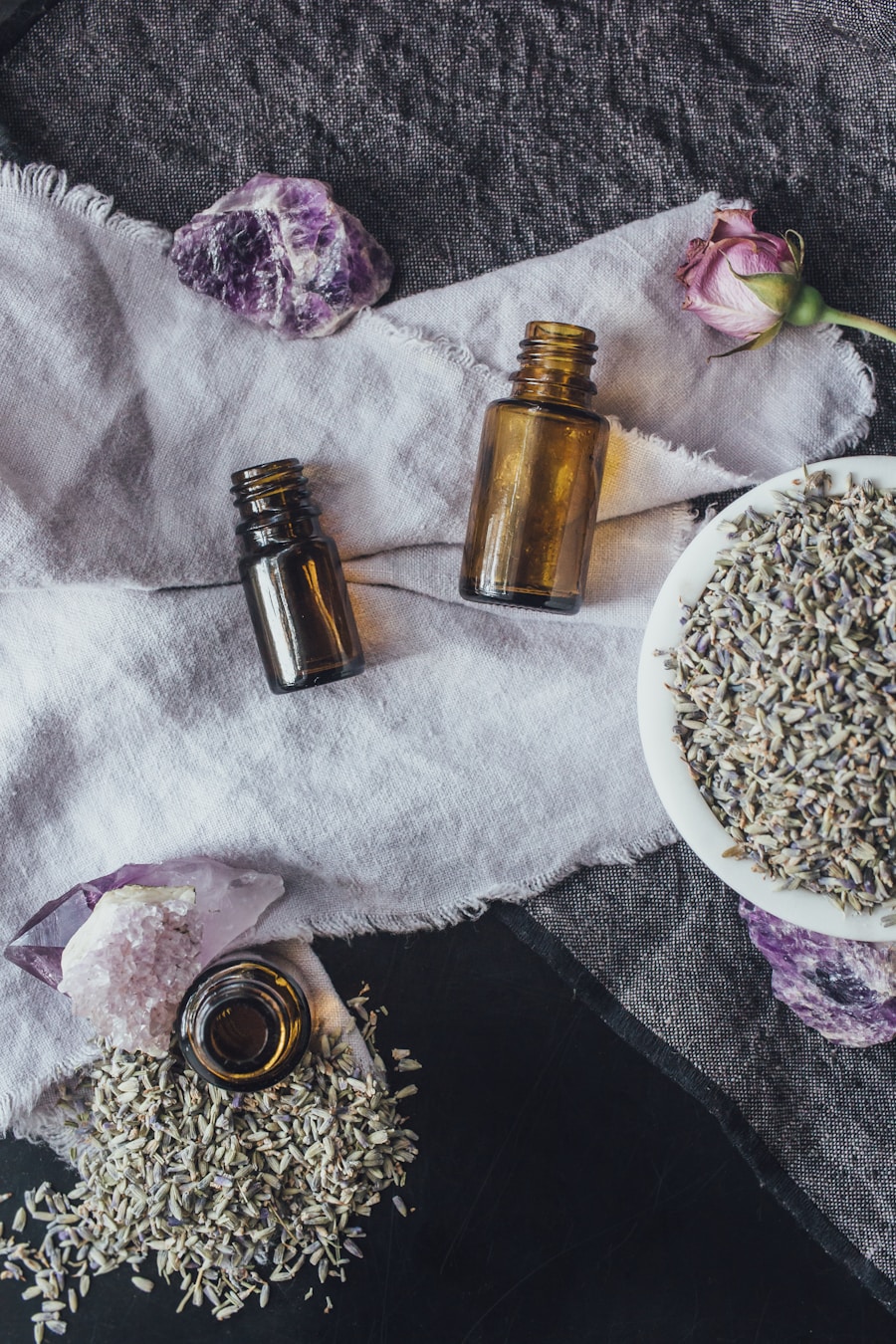
Most can, but the extraction methods vary. Flowers are typically distilled or extracted using solvents, citrus fruits yield oil through cold-pressing the peel, and vetiver is harvested from its roots. Finished perfumes contain these extracts rather than the raw plant material itself.
Why does the same plant smell different in various perfumes?
The extraction method, dosage, and blending combinations all alter its character. For instance, rose can appear sweet and soft or fresh and green, depending entirely on which other notes it is paired with.