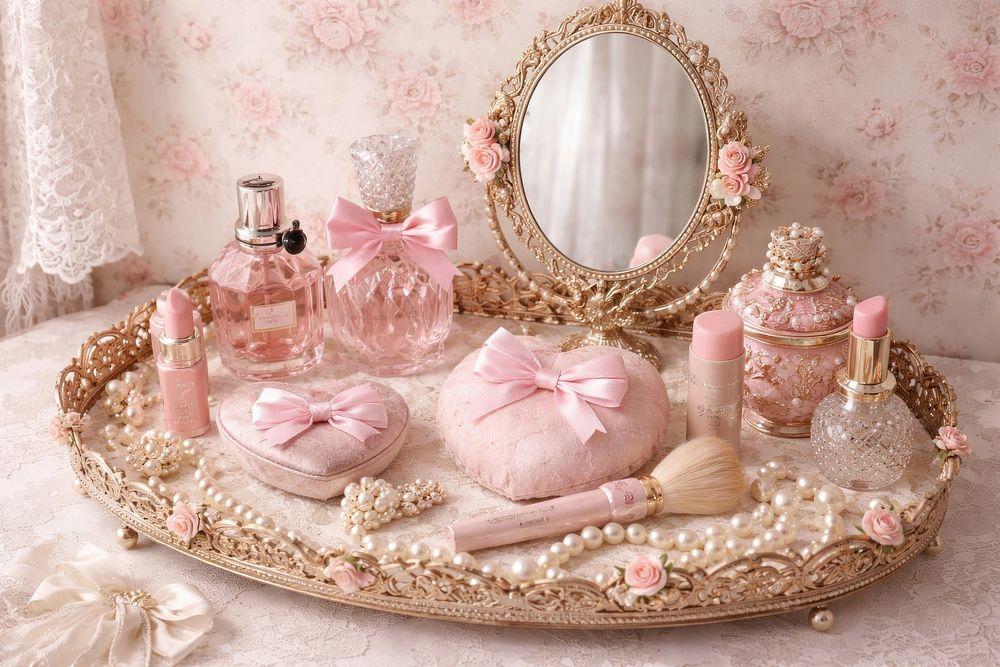
Where does the powdery note in perfume come from? Discover 5 common powdery accords
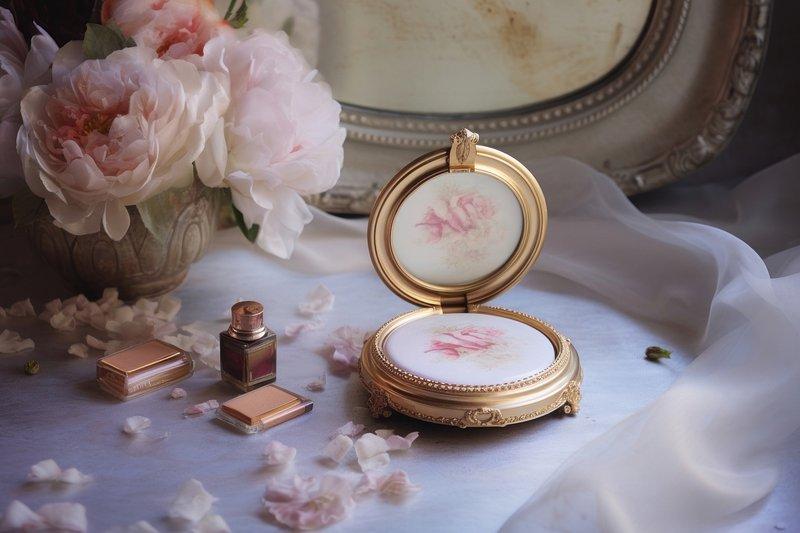
Some perfumes smell like a vintage powder compact just opened, others like soft face powder gently dusted onto the skin, and some evoke the familiar scent of baby talc from childhood. These fragrances share one defining characteristic: a powdery quality.
Interestingly, a powdery note in perfume doesn't mean actual powder has been added. It's an olfactory impression created by the combined aromatic profiles of various ingredients. Sometimes soft and dry, sometimes sweet and warm, it can even carry a hint of vintage rouge. So where does this distinctive scent truly come from? Getting to know the following five common powdery accords might just reveal the answer.
Iris: An elegant and delicate powderiness
If there's one accord that epitomizes powdery notes, it's undoubtedly iris. The precious ingredient often found in iris fragrances, orris root, isn't simply a sweet floral scent. Instead, it offers a unique texture that's dry, soft, and subtly earthy. At times it recalls refined face powder; at others, it feels like finely woven velvet.
The powdery quality of iris tends to be elegant and restrained, never as exuberant as sweet florals. It's more like a gentle mist, lending the fragrance delicacy, quietude, and a touch of vintage charm. Precisely because of this restraint, orris root is often used to "ground" floral compositions, preventing them from becoming overly sweet or airy.
Violet: A sweet and nostalgic powderiness
Violet is another floral note frequently associated with powderiness. Its uniqueness lies in a gentle sweetness paired with a cosmetic-like, powdery facet. Common ionone molecules in violet accords create an olfactory impression where floral, woody, and powdery elements intertwine.
Its scent doesn't resemble freshly bloomed flowers; instead, it feels like an old photograph imbued with a faint fragrance—tender, sweet, and slightly nostalgic. Violet's powdery character often hides a subtle woody base, meaning it's not merely "sweet powder" but can also feel quiet and layered.
Heliotrope: A creamy-soft powderiness
Though its name may not be widely recognized, heliotrope is a quintessential source of powdery sweetness. Its aroma often evokes almonds, vanilla, and soft desserts, all wrapped in a delicate powdery veil. Unlike the dry, elegant powderiness of iris, heliotrope feels warmer, softer, and even somewhat creamily sweet.
Thus, perfumes featuring heliotrope may remind you of sweet almond cookies or a layer of soft face powder infused with warm sweetness. It belongs firmly in the "soft" and "creamy-sweet" category of powdery notes, offering a different expression compared to iris's restraint or violet's nostalgia.
Mimosa: A sun-kissed soft powderiness
Mimosa's scent isn't as intense as rose nor as striking as jasmine. It typically carries a soft floralcy, a faint green nuance, and a warm texture reminiscent of hay and honey. In certain fragrance compositions, mimosa can deliver a light powdery effect, as if sunlight were falling upon a fluffy cluster of blossoms.
This type of powderiness lacks the heaviness of traditional cosmetic powders, feeling instead more natural, airy, and infused with a hint of warm botanical character. It resembles sun-dried hay or a thin veil of soft light in springtime—never overpowering, yet rendering the overall scent beautifully soft.
Musk: Softening the powderiness and bringing it closer to the skin
If iris and violet help define the轮廓 (outline) of a powdery impression, musk often makes that sensation even softer. Modern perfumery employs a rich variety of synthetic musks, many of which possess clean, warm, and gentle aromatic profiles. They can impart sensations reminiscent of freshly laundered clothes, soft fabrics, or warm skin.
When blended with floral and powdery notes, musk can render the overall fragrance more refined, as though a delicate veil of scent rests lightly upon the skin. It may not always be the star of the powdery accord, but it's frequently the layer that makes the powderiness feel "skin-hugging." Many fragrances that evoke baby powder, clean laundry, or soft skin owe much of their character to musk.
Why do powdery scents always evoke memories of the past?
From the elegance of iris to the nostalgia of violet and the sweetness of heliotrope, different raw materials create vastly distinct powdery impressions. Some resemble exquisite vintage compacts, others feel like soft petals, and still others recall freshly washed linens. Though they all share a powdery quality, they are by no means the same scent.
Powdery notes easily conjure memories of the past perhaps because they carry a certain "vintage object"质感 (texture): powder compacts, face powders, baby talc, sun-dried laundry. These scents aren't intense, yet they're deeply familiar, effortlessly transporting us back to specific moments when we encounter them.
This is precisely what makes perfume so captivating: a simple olfactory impression can conceal a complex array of ingredients and combinations behind it. Powderiness isn't the exclusive domain of any single material; rather, it's an impression collaboratively written by iris, violet, heliotrope, mimosa, musk, and more. Next time you encounter a powdery fragrance, try discerning its character: Is it dry, creamy-sweet, or intimately close to the skin?
The answer is often far more interesting than a single word.
Questions people ask
What does a powdery note mean in perfume?
A powdery note is an olfactory impression characterized by a soft, dry, fine, or cosmetic-like scent. It does not mean that actual powder has been added to the fragrance.
Which ingredients create a powdery effect?
Ingredients like iris, violet, heliotrope, and certain musks can all produce powdery effects. Each ingredient offers a distinct variation in sweetness, dryness, and overall character.
Do powdery perfumes always smell floral?
Not necessarily. While many powdery notes come from floral ingredients, they can also be created by musks and other materials, meaning some powdery perfumes may not have a distinct floral scent.

