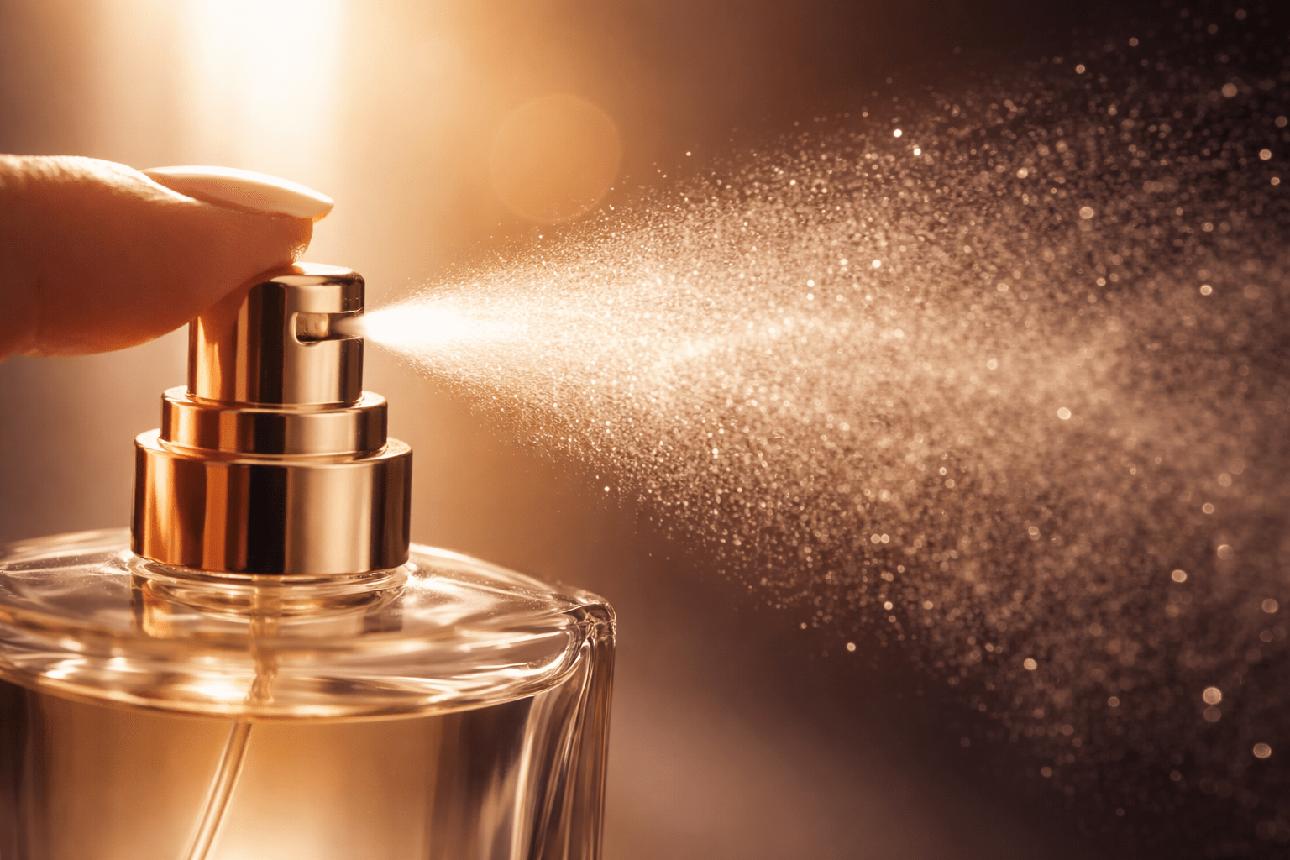
Perfumes can contain up to 80% alcohol. So how is the alcoholic scent masked?
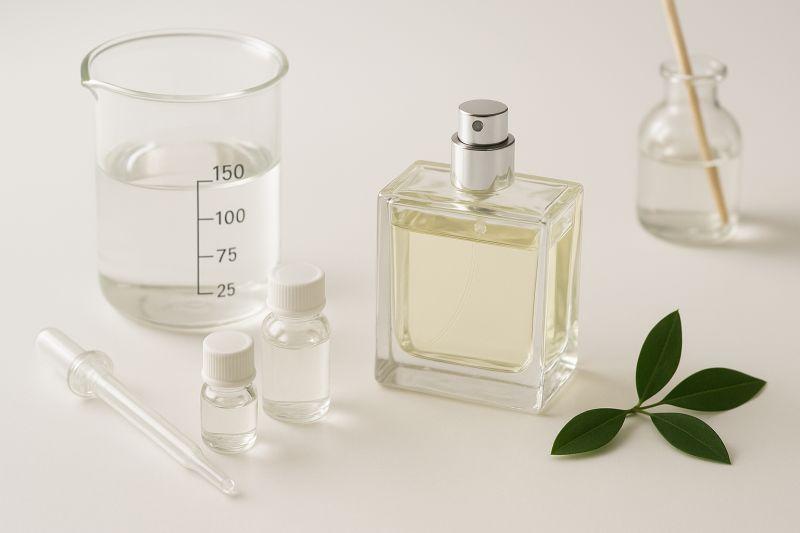
A bottle of perfume may contain a surprisingly high proportion of alcohol. Yet when we spritz it, what we perceive is usually fresh citrus, romantic rose, or warm woody notes—not a strong whiff of alcohol. It sounds almost magical. If alcohol makes up most of a perfume's volume, why doesn't it dominate the scent? What techniques do perfumers use to make the presence of alcohol so subtle?
The answer lies in alcohol's evaporation characteristics and the fragrance's own olfactory design. Alcohol isn't "hidden"; it's simply placed exactly where it belongs.
Why does perfume need alcohol?
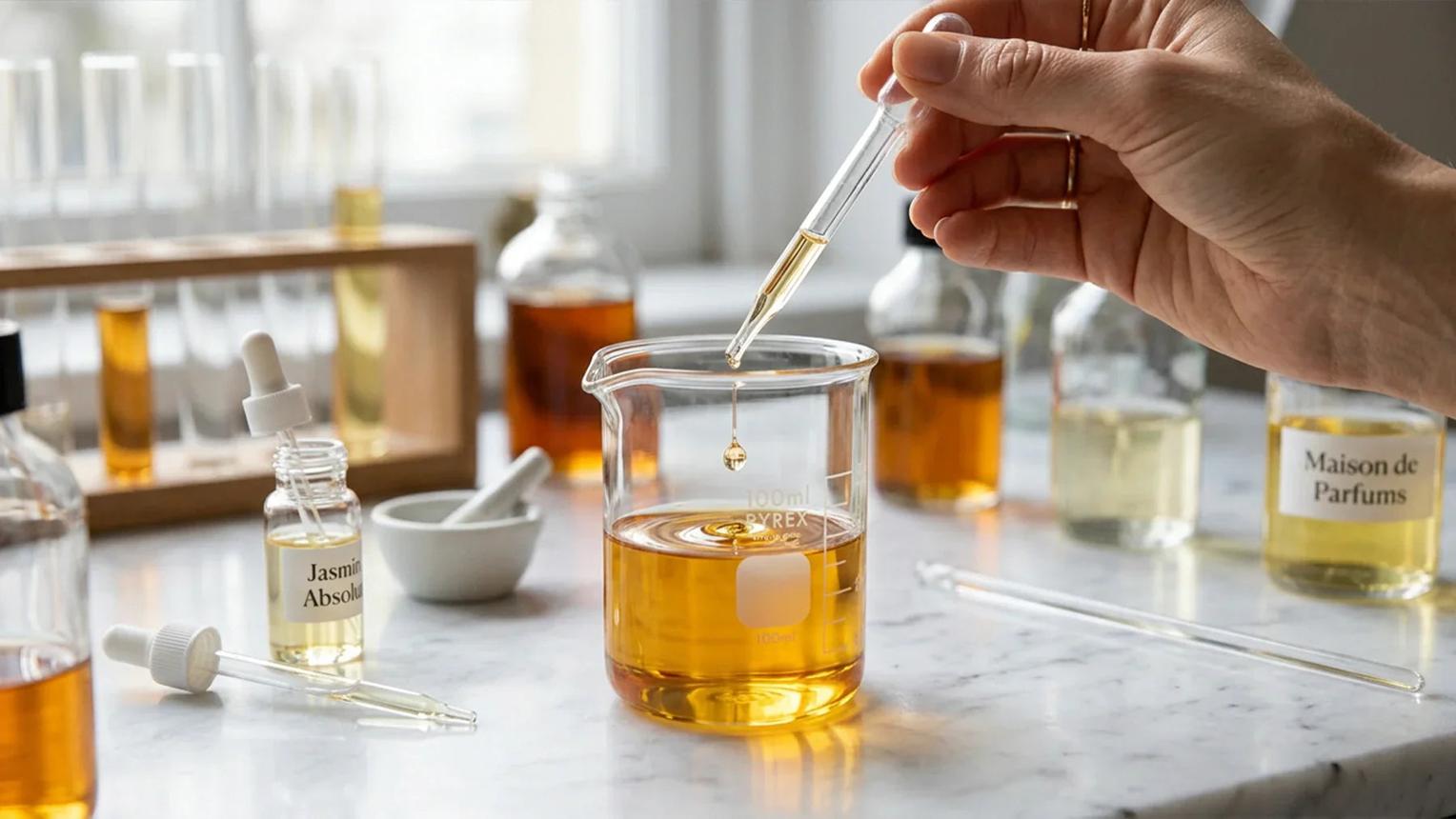
Alcohol, especially ethanol, is a very common carrier in traditional spray perfumes. One of its most important roles is to help fragrance ingredients dissolve evenly, creating a relatively stable perfume system. Many aromatic compounds have different physical and chemical properties; simply mixing them together doesn't always yield an ideal liquid solution.
Ethanol boasts excellent solvency and high volatility. When perfume is sprayed into the air or onto the skin, the ethanol gradually evaporates, allowing the fragrance molecules to be released. Additionally, alcohol helps create a fine mist, making the scent easier to diffuse into the surrounding environment. Therefore, alcohol is far from a meaningless filler; it is an essential component of the entire perfume formulation.
Why doesn't alcohol constantly overpower the fragrance?
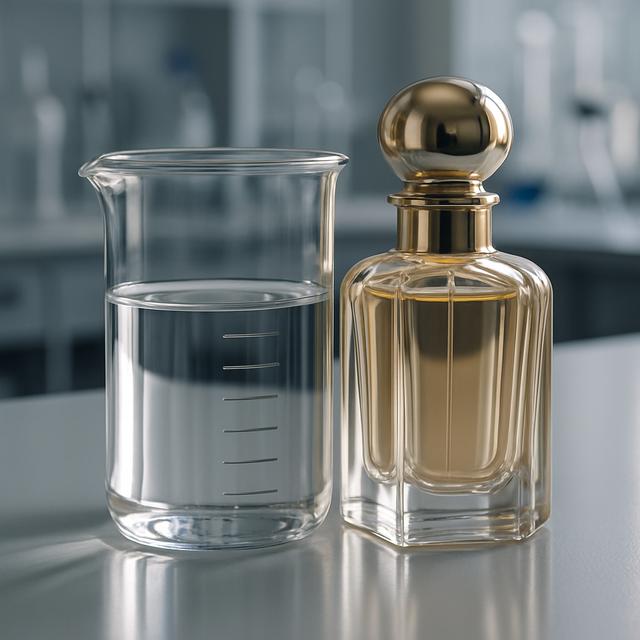
The key lies in evaporation speed. Ethanol is highly volatile and quickly transitions into the gas phase upon contact with air. In contrast, the various fragrance ingredients in a perfume have different evaporation profiles: some release their scent rapidly, while others linger for much longer.
Immediately after spraying, you might briefly detect a noticeable alcoholic note. However, as the ethanol evaporates, the fragrance notes become more prominent. This is also why some perfumes smell different right out of the bottle compared to how they develop moments later.
The scent we experience is constantly evolving. Alcohol's evaporation is just one part of the process; the gradual release of the fragrance ingredients themselves is what allows the perfume's aroma to unfold. In other words, alcohol paves the way, while the fragrance notes leave their lasting impression.
How do perfumers integrate alcohol into the overall scent?
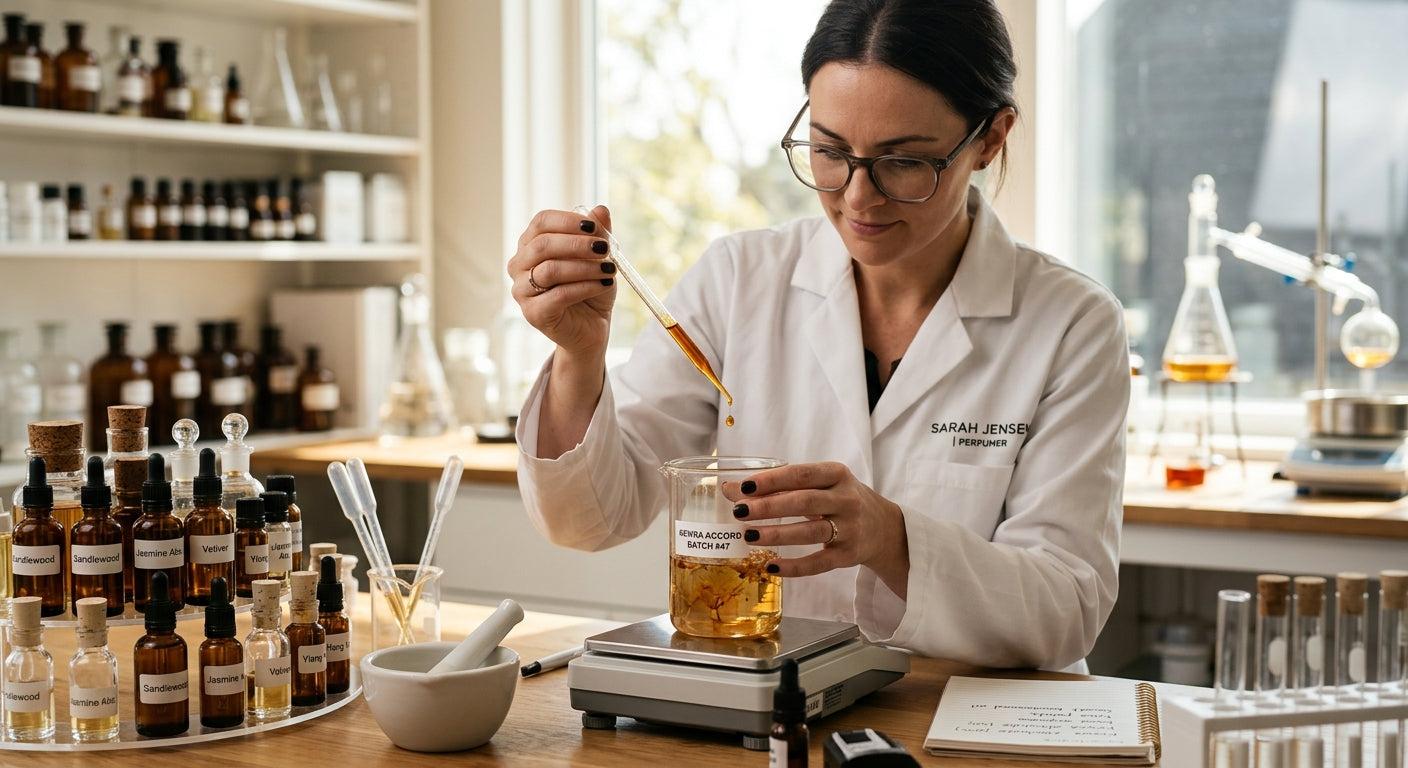
While alcohol's volatility explains why it doesn't dominate the scent for long, that's not the whole story. The true charm of perfume lies in the perfumer's artful blending and arrangement of different fragrance ingredients.
For instance, citrus notes typically possess a bright, fresh character, lending the fragrance a lively opening. Floral accords introduce a soft, rich heart, while ingredients like woods, resins, and musks provide varying degrees of depth to the overall scent. These aromatics are not merely used to mask the smell of alcohol; rather, they collectively form the very structure of the perfume itself.
A well-crafted fragrance carefully considers the volatility, intensity, and harmony of its various ingredients, allowing the scent to evolve gracefully from an initial freshness into richer, more complex layers. Thus, the relationship between alcohol and aromatics is not one of simple concealment, but a sophisticated partnership between carrier and olfactory design.
Why does some perfume smell strongly of alcohol immediately after spraying?
This depends on both the fragrance formula and individual olfactory perception. Firstly, perfumes vary significantly in their concentration of aromatics, ingredient composition, and solvent systems. Since the inherent intensity of different scent materials varies, the initial impression upon spraying can differ greatly from one product to another.
Secondly, ethanol itself has a distinct odor. For those with a sensitive sense of smell, even though the alcohol evaporates quickly, its initial sharpness may still be quite noticeable. Additionally, the design of the top notes influences our perception of the opening scent. Some fragrances present a bright citrus or fresh breeze immediately, while others reveal richer, more complex aromatic profiles from the start.
Therefore, not all perfumes can completely hide the scent of alcohol the moment they are sprayed. The perceived alcohol note upon application often relates to concentration, the amount sprayed, the distance from the skin, and the ventilation of the surrounding environment.
Does a higher alcohol content mean a more intense fragrance?
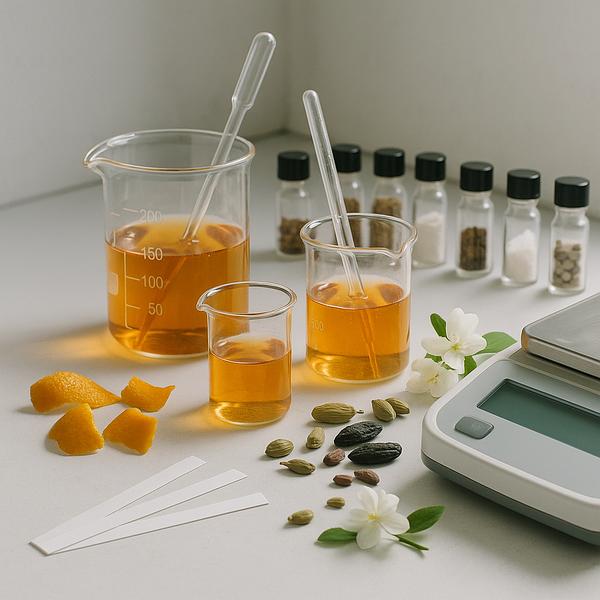
Not necessarily. This is a common misconception. The intensity of a fragrance is generally determined by the concentration of aromatics, the inherent strength of the scent materials, and the overall formulation, rather than simply the alcohol content.
For example, while Eau de Toilette (EDT) and Eau de Parfum (EDP) typically differ in aromatic concentration, there is no universally standardized formula across different brands and products. Alcohol primarily serves as a solvent and carrier; it is not the core ingredient that dictates the strength of the scent.
In other words, a perfume with a higher alcohol content does not necessarily smell stronger, nor does a fragrance with a higher concentration of aromatics always offer greater projection. The world of perfume is far more complex than a single number.
The Secrets of Perfume Lie in the Unseen
From the evaporation of ethanol to the interplay between aromatic notes, and the gradual unfolding of top, heart, and base notes, the performance of a fragrance is the result of many factors working in concert. What we ultimately experience is a complete olfactory journey, yet we rarely notice the invisible components that make it possible.
This is precisely what makes fragrance so fascinating: some ingredients serve as carriers, others as expressers, and their combinations create a world of endless olfactory variations. Next time you spray your perfume, pay attention to the difference between the first few seconds and the minutes that follow: When does the alcohol scent fade? Which aroma emerges first? And what lingers until the end?
Questions people ask
Do perfumes really contain up to 80% alcohol?
Some traditional alcohol-based perfumes may contain a high proportion of ethanol, but not all reach 80%. The exact percentage depends on the perfume type and its specific formulation.
Why can I smell alcohol right after spraying perfume?
Ethanol itself has a distinct odor that is easily noticeable upon initial application. As the ethanol gradually evaporates, the fragrance notes become more prominent.
Does higher alcohol content mean longer-lasting perfume?
Not necessarily. Longevity is primarily determined by the composition of fragrance ingredients, their volatility, the overall formula, and concentration levels, rather than alcohol content alone.

