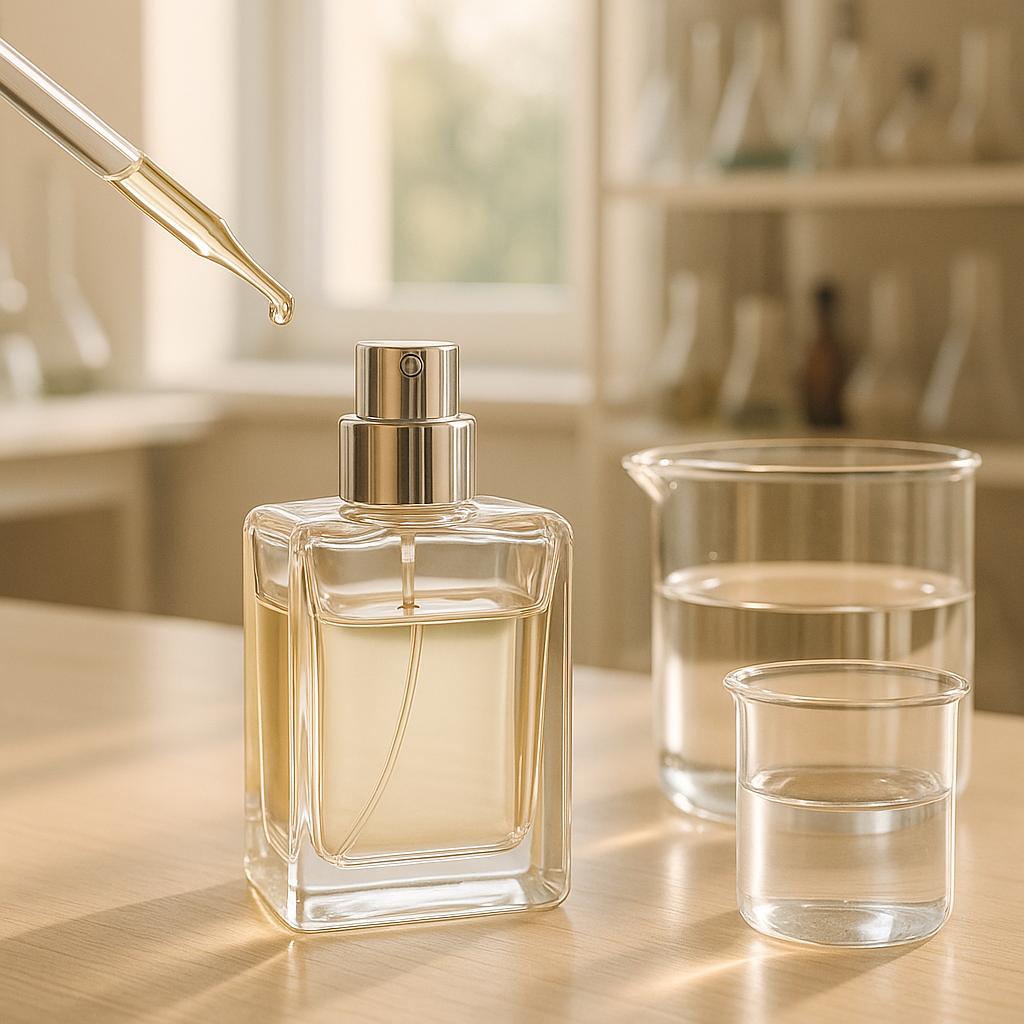
What is alcohol-free perfume? How does it differ from regular perfume?
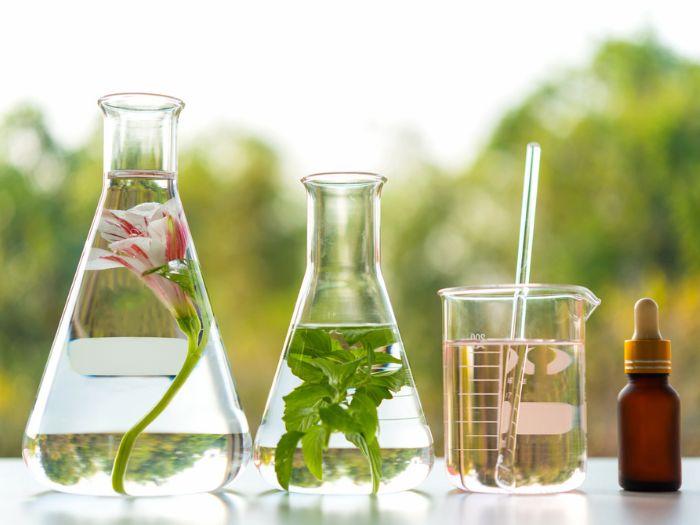
When we think of perfume, many of us first imagine the light mist released upon spraying, followed by the unfolding of a captivating scent. Yet, not all perfumes rely on alcohol as their carrier. In recent years, "alcohol-free perfume" has emerged as a growing category within the fragrance world. How does it differ from the traditional perfumes we know? And without alcohol, how is the scent delivered and experienced?
To understand this, we must first recognize an often-overlooked component in perfume: the carrier. The carrier itself doesn't create the scent, but it determines how the fragrance is held, released, and perceived. It's precisely because of different carriers that the same scent profile can unfold in entirely different rhythms.
What exactly is alcohol-free perfume?
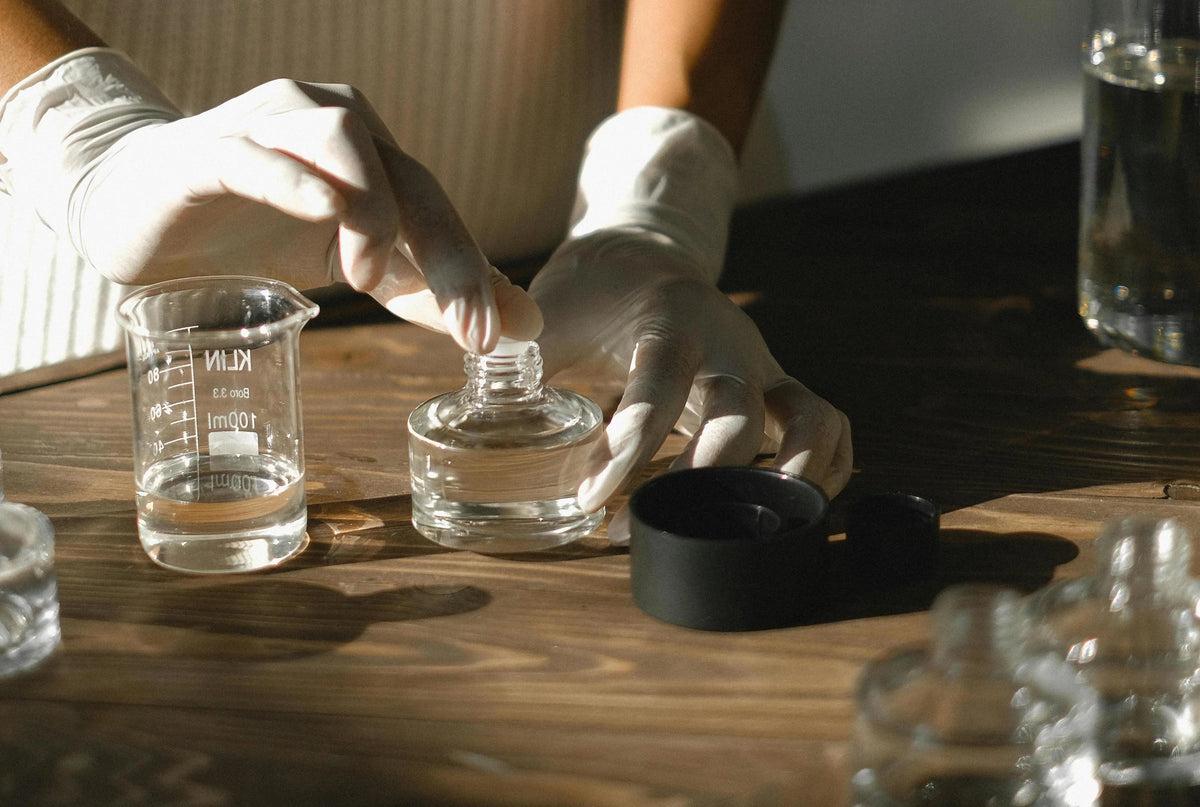
Simply put, alcohol-free perfume refers to fragrances that do not use ethanol (ethyl alcohol) as their primary solvent or carrier. Traditional perfumes typically blend aromatic compounds with ethanol, which effectively dissolves various fragrance ingredients and possesses strong volatility. When sprayed, the ethanol gradually evaporates, allowing the scent molecules to disperse into the air.
In contrast, alcohol-free perfumes utilize alternative carriers such as water, oils, or other components suitable for dissolving and dispersing fragrance notes. It's important to note that chemically speaking, "alcohol" encompasses more than just ethanol. Therefore, "alcohol-free" generally means the absence of added ethanol, not necessarily the complete exclusion of all alcohol-based chemical compounds. This distinction is worth considering when making a purchase, especially for those sensitive to specific ingredients.
What carriers are commonly used in alcohol-free perfumes?
If traditional alcohol isn't used as the carrier, how are fragrance notes incorporated into the perfume? The most common carriers fall into two categories: water and oils.
Water: A Clear and Light Carrier
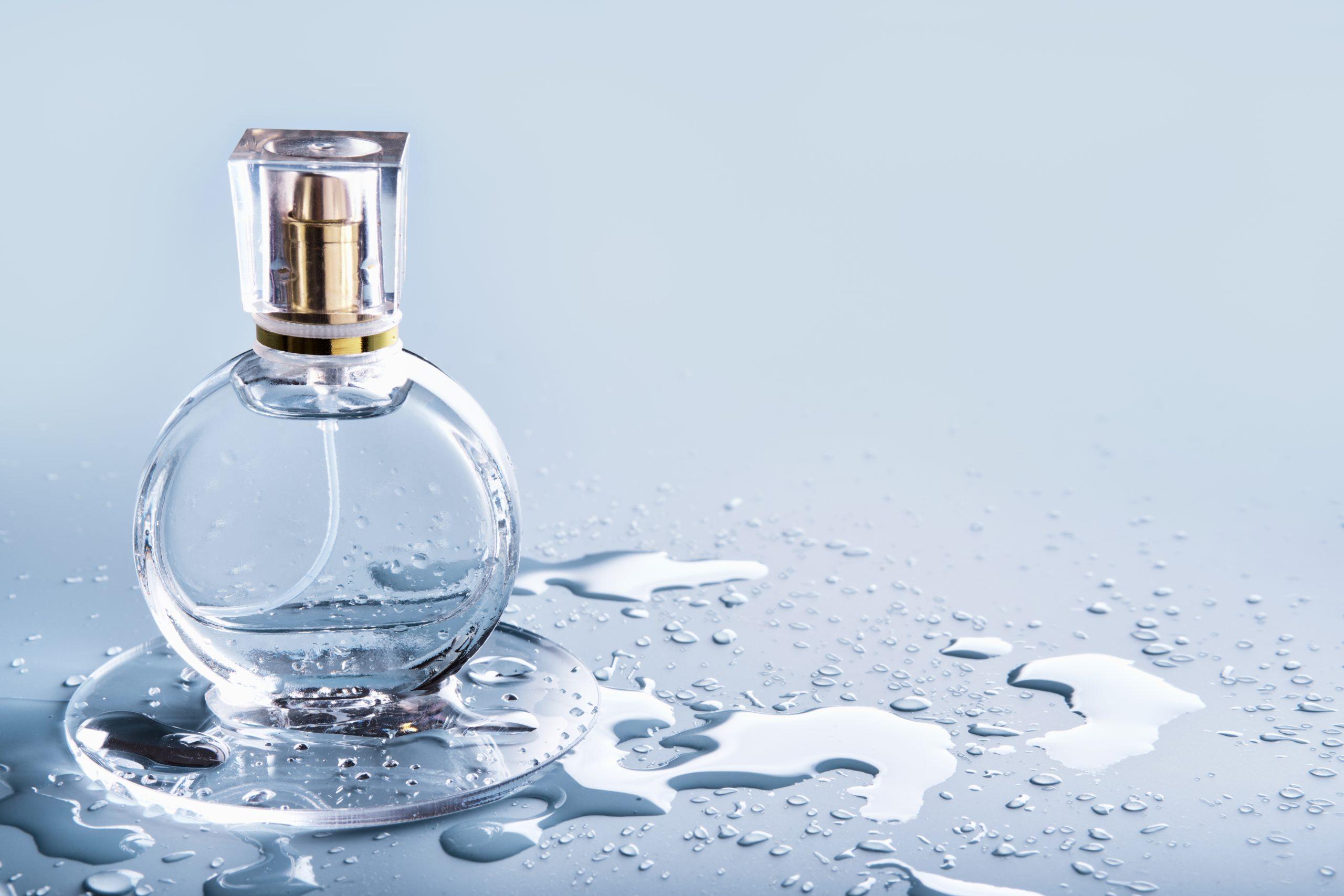
Water-based perfuses primarily use water as their carrier, combined with appropriate solubilizing or emulsifying agents to ensure even dispersion of fragrance notes. Compared to traditional alcohol-based perfumes, these formulations deliver scent in a distinct manner. Since water itself has virtually no noticeable odor, it allows the fragrance notes to take center stage in the olfactory experience. However, fragrance compounds cannot simply be dissolved directly into water; formulation design must carefully consider compatibility between different ingredients, as well as stability and preservation requirements.
Oils: A Soft and Delicate Carrier
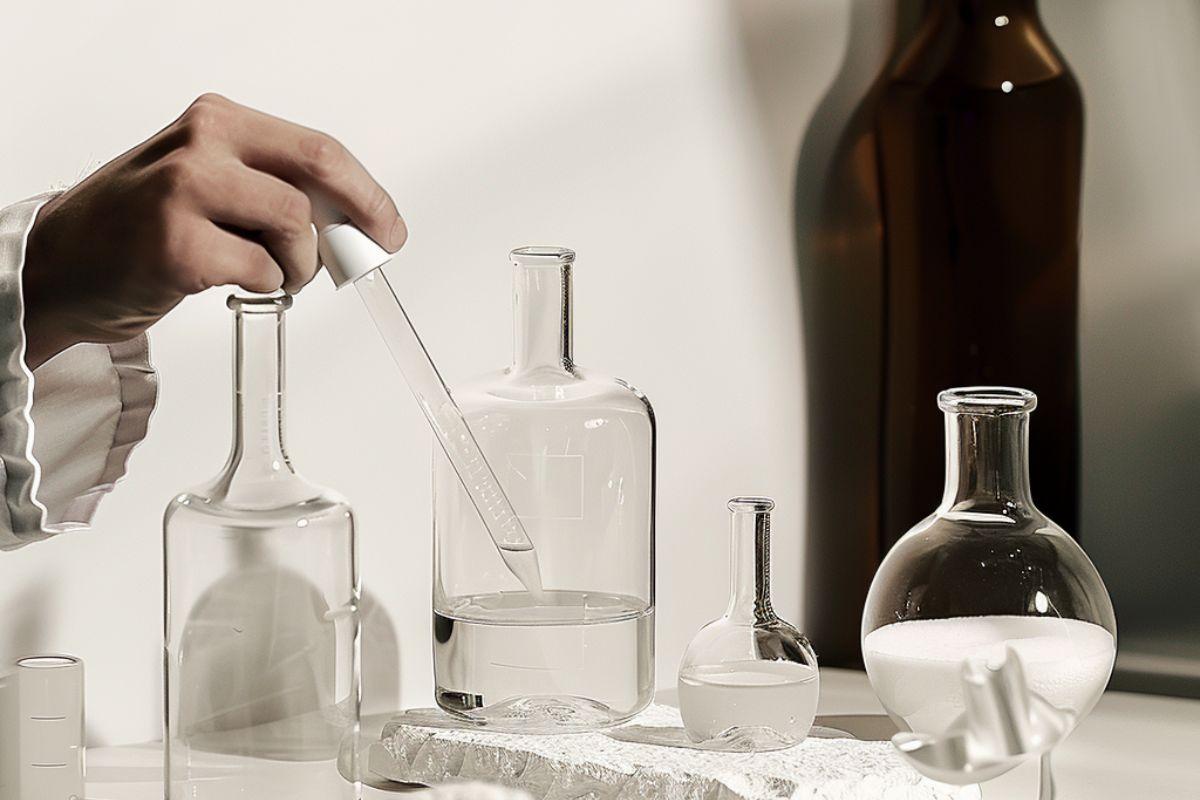
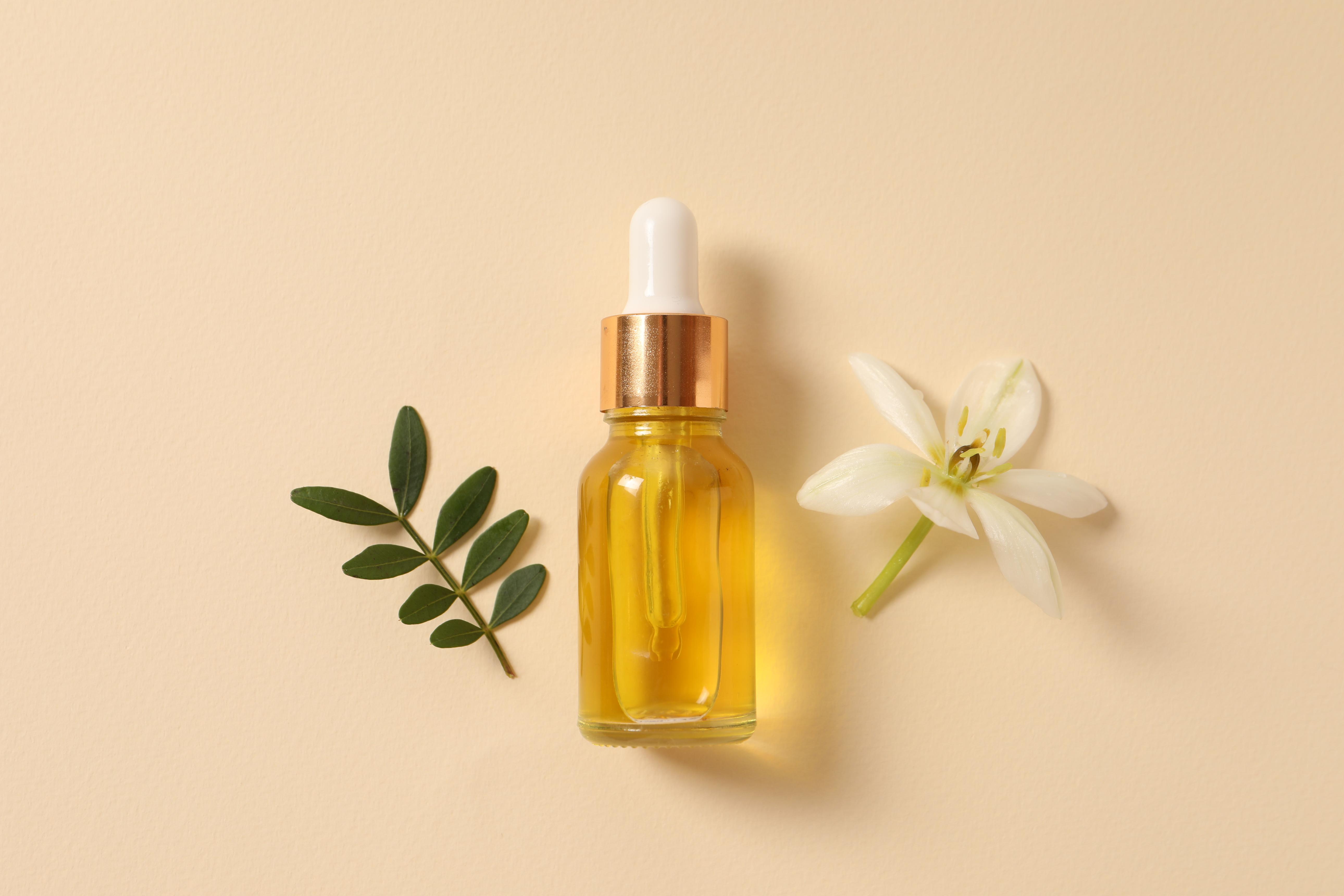
Oil-based perfumes utilize plant oils or other suitable oily components to carry fragrance ingredients. Unlike water, oils can dissolve many lipophilic aromatic compounds. Since the volatility of an oily carrier differs from that of ethanol, the rhythm of scent release may also change—often becoming slower and more skin-hugging. This is precisely why different carriers can give the same fragrance distinct expressions. What's the difference between alcohol-free and conventional perfumes?
The most obvious distinction lies not in the fragrance materials themselves, but in the formulation system that carries them. Traditional alcohol-based perfumes typically evaporate quickly, creating a noticeable scent diffusion upon application. Over time, various notes gradually unfold, forming the classic progression of top, heart, and base notes.
Alcohol-free perfumes, however, may present different diffusion and evaporation rhythms. For instance, an oil-based carrier might allow the scent to release more slowly, while a water-based formula relies on other ingredients to ensure stable dispersion of the fragrance compounds. That said, this doesn't necessarily mean alcohol-free perfumes last longer, nor does it imply conventional perfumes are always more intense. Longevity and sillage depend on multiple factors, including the types of fragrance materials, their concentration, molecular volatility, and the overall formulation.
In other words, while the carrier influences how a fragrance performs, it doesn't solely define a perfume's entire character. The same scent, when delivered through a different carrier, might become more intimate and subtle—or lighter and more fleeting.
Without alcohol, do top, heart, and base notes still exist?
Absolutely. Top, heart, and base notes describe how different fragrance ingredients evolve over time—they aren't created by alcohol. For example, a perfume might open with bright citrus, gradually reveal soft florals, and finally leave behind warm woody accords.
Whether carried by alcohol, water, or oil, these ingredients will exhibit varying rates of evaporation and release. When the carrier changes, the speed at which notes emerge, the way they overlap, and the overall diffusion effect may all shift accordingly. Therefore, understanding perfume requires looking beyond the raw materials alone; one must also consider the formulation environment in which they reside.
The Allure of Perfume Goes Beyond Its Ingredients
From traditional alcohol-based perfumes to water-based and oil-based alternatives, what appears to be merely a change in carrier actually reveals the rich possibilities within the world of fragrance. The same floral note can feel fresh or intense depending on its composition; identical woody accords might express warmth, dryness, or mystery.
Perfume isn't simply about blending pleasant-smelling ingredients. The interplay between fragrance materials, the characteristics of the carrier, and the evolution over time together craft a perfume's unique olfactory story. Next time you encounter an alcohol-free fragrance, pay attention to how it differs from its alcohol-based counterpart: Is it more skin-hugging and gradual? Or clearer and quieter? The answer often lies within those few minutes you spend wearing it.
Questions people ask
Is alcohol-free perfume completely free of alcohol?
Generally, 'alcohol-free perfume' refers to fragrances that do not use ethanol as a carrier. However, this doesn't necessarily mean the formula is entirely devoid of other compounds chemically classified as alcohols.
Does alcohol-free perfume always last longer than regular perfume?
Not necessarily. Longevity depends on various factors including the types of fragrance notes, concentration, carrier used, and the overall formulation. The presence or absence of alcohol alone isn't a reliable indicator of lasting power.
Do alcohol-free perfumes still have top, middle, and base notes?
Yes. Top, middle, and base notes describe how different fragrance components evolve over time. This structure exists regardless of whether alcohol is used as the carrier.

